
Sourdough Pasta – Noodles That’ll Change Your Dinner Game
There’s something magical about twirling fresh pasta on your fork, and when that pasta is infused with tangy sourdough goodness, it becomes absolutely irresistible! This sourdough pasta delivers tender, chewy noodles bursting with flavor that’ll make you forget store-bought pasta ever existed.
The best part? You only need three simple ingredients and about an hour to create restaurant-quality pasta right in your own kitchen. Just like our popular sourdough bread recipe, this pasta puts your starter (or discard) to delicious use while giving you all those wonderful fermentation benefits. Get ready to fall head over heels for homemade pasta!
What is Sourdough Pasta?
Ever wondered what happens when you marry Italian tradition with sourdough magic? You get sourdough pasta, friend! This isn’t your average noodle situation. Instead of using commercial yeast or plain water, we’re letting our bubbly sourdough starter work its fermentation wizardry right into the dough. The result?
Pasta with a subtle complexity and depth that makes regular noodles taste, well, a bit boring. And you know what they say: the way to anyone’s heart is through their stomach. So why not impress your loved ones with pasta that’s not only delicious but also easier to digest? Trust me, once you make this, you’ll want it on repeat!
This recipe was fully created by AI and has not been tested at home by our team. We value honesty with our readers, and many report good outcomes from other recipes on our site.
Why You’ll Love This Sourdough Pasta
Flavor That Sings
The star of this recipe is the incredible flavor profile. Unlike bland store-bought pasta, sourdough pasta brings a subtle tanginess and nutty depth that elevates every sauce you pair it with. The fermentation process creates layers of flavor you simply can’t buy in a box. Each bite feels richer, more complex, and infinitely more satisfying.
Budget-Friendly Brilliance
Making pasta at home costs a fraction of what you’d pay for artisan fresh pasta at specialty stores. With just flour, eggs, and sourdough starter, you’re looking at pennies per serving. Plus, if you’re already maintaining a sourdough starter, you’ve got a built-in ingredient that would otherwise go to waste. It’s the perfect way to transform your discard into a gourmet meal!
Customization Heaven
Here’s where sourdough pasta really shines: you control everything. Want whole wheat pasta? Go for it. Prefer spinach-infused green noodles? Easy. You can cut it thick for pappardelle, thin for linguine, or use it for ravioli and lasagna. The possibilities are endless! Similar to our sourdough pizza dough, this pasta dough is incredibly versatile and forgiving. Don’t be intimidated; roll up your sleeves and give it a try. Your taste buds will thank you!
How to Make Sourdough Pasta
Quick Overview
This sourdough pasta is surprisingly simple to master. The dough comes together in about 10 minutes, rests for 30 minutes to relax the gluten, then you roll and shape it however you like.
The texture is silky smooth with just the right amount of chew, while the flavor is subtly tangy without being overpowering.
Total Time:
- Prep Time: 15 minutes
- Rest Time: 30 minutes
- Cook Time: 3-4 minutes
- Total: 50 minutes
Key Ingredients for Sourdough Pasta
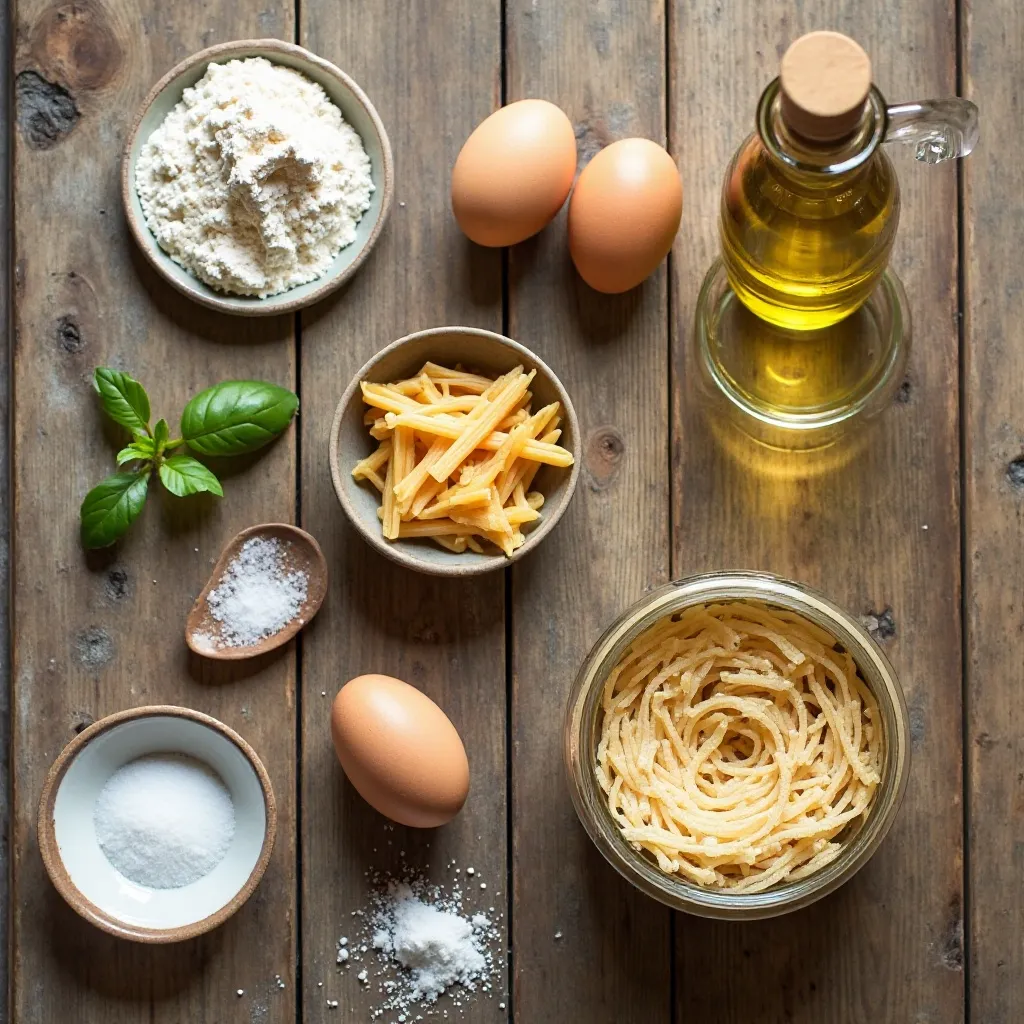
Sourdough Starter (100g / ½ cup) Use either active bubbly starter or discard from your fridge. Active starter gives a milder flavor, while week-old discard adds more tang. Both work beautifully!
All-Purpose Flour (300g / 2¼ cups) The foundation of your pasta. You can also use bread flour for chewier noodles or tipo 00 flour for silky-smooth Italian-style pasta. Some recipes use a mix with semolina flour for added texture and golden color.
Eggs (165g / 3 large eggs) Fresh eggs are best. They bind the dough and add richness. The exact weight matters more than the count since egg sizes vary.
Olive Oil (1 tablespoon) Adds moisture and helps create a smooth, workable dough.
Salt (¾ teaspoon) Essential for flavor. Never skip it or your pasta will taste flat.
Step-by-Step Instructions
Prepare the Wet Mixture
In a medium bowl, whisk together the sourdough starter, eggs, olive oil, and salt until well combined. This creates your base liquid that will bring the dough together.
Create the Dough (Stand Mixer Method)
Add the flour to your stand mixer bowl fitted with a dough hook. Pour in the wet mixture. Mix on low speed for about 8-10 minutes until the dough forms a smooth, elastic ball. The dough should feel soft but not sticky. If it’s too dry, add water one teaspoon at a time. If too wet, sprinkle in a bit more flour.
Create the Dough (Hand Method)
Mound the flour on a clean work surface and create a well in the center like a volcano. Pour the wet ingredients into the well. Using a fork, gradually incorporate the flour from the inner edges, mixing in circular motions. When it becomes too thick to mix with a fork, use your hands to bring it together into a shaggy dough. Knead for 8-10 minutes until smooth and elastic.
Rest the Dough
Shape the dough into a ball and wrap it tightly in plastic wrap or place it in a covered bowl. Let it rest at room temperature for 30 minutes. This resting period allows the gluten to relax, making the dough much easier to roll out. For enhanced digestibility and deeper sourdough flavor, you can refrigerate the dough for up to 24 hours instead.
Divide and Prepare
After resting, divide the dough into 4 equal portions. This makes it easier to work with. Keep the portions you’re not currently using covered to prevent drying.
Roll Out the Dough (Rolling Pin Method)
On a lightly floured surface, roll one portion of dough as thin as possible, about 2mm thick or until almost transparent. The thinner you roll it, the more delicate your pasta will be. Don’t worry about perfect shapes; rustic is beautiful!
Roll Out the Dough (Pasta Machine Method)
Flatten one portion of dough slightly with your hands. Set your pasta machine to the widest setting. Roll the dough through once. Fold it in thirds like a letter, then roll again on the same setting. This helps create uniform texture. Gradually adjust to thinner settings, rolling the dough through each one until you reach your desired thickness (usually setting 6 or 7 for most machines).
Cut Your Pasta
For the rolling pin method, lightly dust your rolled dough with flour and fold it loosely into thirds. Using a sharp knife or pizza cutter, slice the folded dough into your desired width. Unfold the strips carefully. For fettuccine, cut about ¼-inch wide. For pappardelle, cut 1-inch wide. For linguine, cut ⅛-inch wide.
For the pasta machine method, run your sheets through the cutting attachment of your choice.
Dry the Pasta
Dust the cut pasta with flour to prevent sticking. Hang the strands on a pasta drying rack, drape them over a wooden spoon handle, or arrange them in loose nests on a floured baking sheet. Let dry for at least 30 minutes before cooking. This helps the pasta hold its shape during cooking.
Cook to Perfection
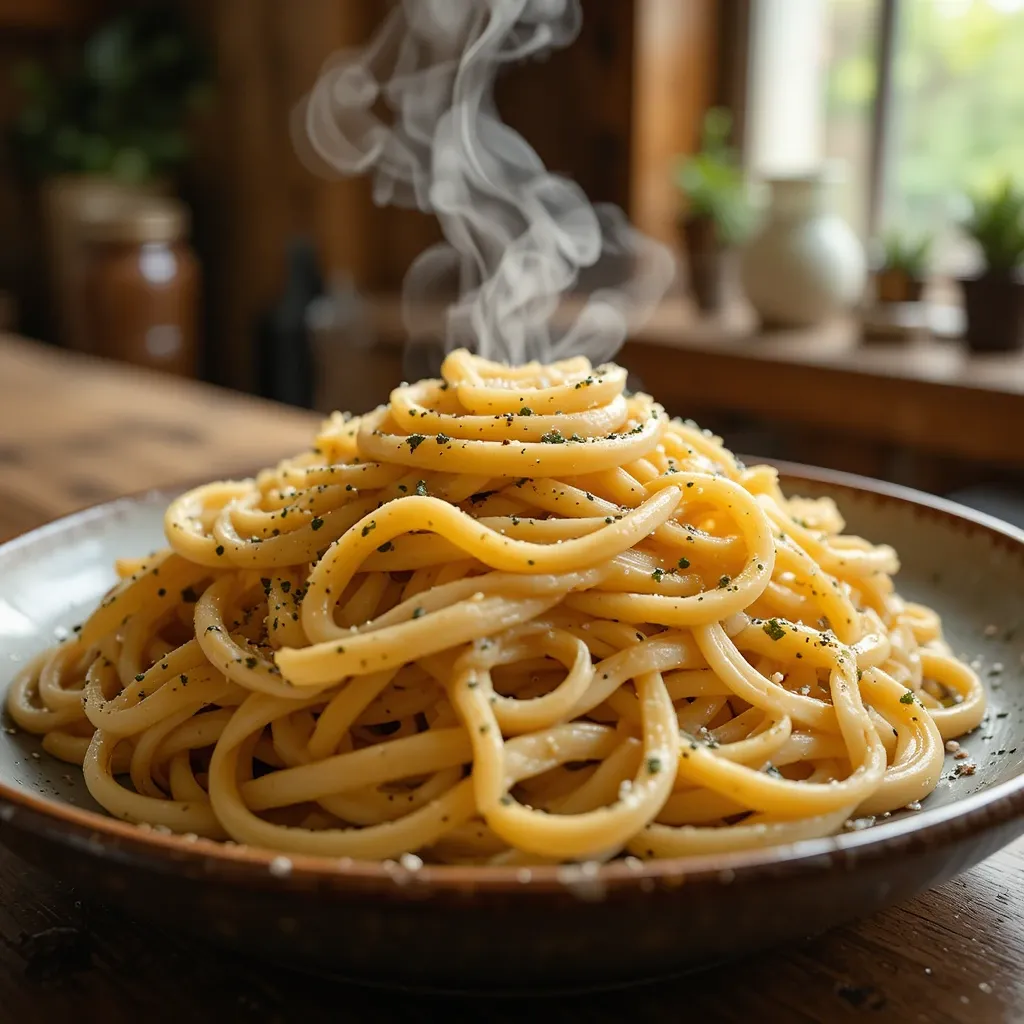
Bring a large pot of heavily salted water to a rolling boil. The water should taste like the sea. Add the fresh pasta and cook for 3-4 minutes, stirring gently to prevent sticking. Fresh pasta cooks much faster than dried! It’s ready when it floats to the surface and has a tender bite with slight chew (al dente). Reserve a cup of pasta water before draining; it’s liquid gold for finishing your sauce.
What to Serve Sourdough Pasta With
The beauty of fresh sourdough pasta is its versatility. Here are some winning combinations:
Classic Butter and Sage: Brown some butter until nutty, toss with fresh sage leaves, and mix with your pasta. Add parmesan and cracked black pepper. Simple perfection.
Rich Tomato Sauce: A slow-simmered marinara or robust bolognese pairs beautifully with the pasta’s tangy undertones. The acidity complements the sourdough wonderfully.
Creamy Alfredo: The richness of cream sauce plays perfectly against the pasta’s subtle complexity. Toss in some grilled chicken or sautéed mushrooms for extra heartiness.
Pesto Paradise: Fresh basil pesto clings beautifully to homemade pasta. Add cherry tomatoes and pine nuts for color and crunch.
Light and Bright: Toss with olive oil, fresh lemon juice, garlic, and tons of fresh herbs. Top with grilled shrimp or roasted vegetables.
Don’t forget sides! A crisp green salad, garlic bread (try our sourdough garlic bread!), or roasted vegetables complete the meal beautifully.
Top Tips for Perfecting Sourdough Pasta
Weigh Your Ingredients
Pasta dough is precise. Use a kitchen scale for the most consistent results, especially with eggs since they vary in size. If you don’t have a scale, crack 3 large eggs and add olive oil if needed to reach approximately ⅔ cup of liquid.
Don’t Skip the Rest
That 30-minute rest isn’t optional; it’s essential. Resting allows the flour to fully hydrate and the gluten strands to relax. Skipping this step makes rolling difficult and can result in tough pasta.
Flour Type Matters
While all-purpose flour works great, tipo 00 flour creates the silkiest pasta. Bread flour makes chewier noodles. Semolina flour (or a 50/50 blend with all-purpose) adds beautiful golden color and helps pasta hold its shape.
Thickness Consistency
Aim for even thickness throughout each sheet. Uneven pasta cooks unevenly, leaving some parts mushy while others are too firm. Take your time rolling to ensure consistency.
Don’t Overcook
Fresh pasta cooks in minutes, not the 10-12 minutes you’re used to with dried. Start checking at 2 minutes. It should be tender but still have a slight bite.
Salt Your Water Generously
Use more salt than you think you need. Pasta water should taste like ocean water. This is your only chance to season the pasta itself.
Save That Pasta Water
Always reserve a cup of pasta cooking water before draining. The starchy water is perfect for loosening and helping sauce cling to the noodles.
Avoid Common Mistakes
Don’t add oil to the cooking water; it prevents sauce from adhering. Don’t rinse your pasta after draining unless making a cold pasta salad. The starch helps sauce stick. Don’t let cut pasta sit too long before cooking; 2 hours maximum or it becomes brittle.
Storing and Reheating Tips
Fresh Storage: Place pasta in loose nests on a floured baking sheet. Cover with a clean kitchen towel and refrigerate for up to 2 days. Make sure pieces aren’t touching or they’ll stick together.
Freezing for Later: Let pasta air dry for at least 1 hour until it feels slightly firm. Arrange in a single layer on a parchment-lined baking sheet and freeze for 1-2 hours. Once frozen solid, transfer to freezer bags, removing as much air as possible. Freeze for up to 3 months. Cook directly from frozen; just add 1-2 extra minutes to cooking time.
Complete Drying: You can fully air-dry pasta until it snaps when bent (12-24 hours depending on humidity). However, since it contains raw eggs, storing completely dried pasta at room temperature isn’t recommended. Refrigerate or freeze instead for food safety.
Cooked Leftovers: Toss cooked pasta with a small amount of olive oil to prevent sticking. Store in an airtight container in the refrigerator for 3-4 days.
Reheating: For best results, quickly dip leftover pasta in boiling water for 30-60 seconds, then drain and toss with fresh sauce. Alternatively, reheat gently in a pan with a splash of water or broth over medium heat, stirring frequently.
Frequently Asked Questions
Can I use sourdough discard instead of active starter?
Absolutely! Both work wonderfully. Active starter provides a milder, fresher flavor, while discard from the fridge (up to a week old) adds more tang. Just make sure your discard isn’t several months old.
Do I need a pasta machine?
Not at all! While a pasta machine makes rolling easier and creates uniform thickness, a rolling pin works perfectly fine. It just takes a bit more elbow grease. Many pasta makers swear by the hand-rolled method for its rustic charm.
How do I know when the dough is kneaded enough?
The dough should be smooth, elastic, and spring back when you poke it. If it’s still rough or tears easily, keep kneading. The windowpane test works here too: stretch a small piece of dough. If it forms a thin, translucent membrane without tearing, you’re good to go.
Why is my pasta dough too dry or crumbly?
Flour absorption varies based on humidity and flour type. Add water one teaspoon at a time, kneading between additions, until the dough comes together smoothly. Don’t add too much at once or it’ll become sticky.
Can I make this pasta ahead of time?
Yes! Make the dough, cut it into your desired shapes, and either refrigerate for 2 days or freeze for 3 months. It’s perfect for meal prep. You can also make the dough and refrigerate it for up to 24 hours before rolling and cutting.
Is sourdough pasta healthier than regular pasta?
The fermentation process breaks down some of the gluten proteins and reduces phytic acid, making nutrients more bioavailable and the pasta easier to digest. Many people with mild gluten sensitivity find sourdough pasta more tolerable. It also has a lower glycemic index than regular pasta.
What if I don’t have enough eggs by weight?
If three large eggs don’t equal 165g, simply add olive oil to make up the difference. This ensures the correct dough hydration. Alternatively, you can add a small beaten egg or water drop by drop.
Can I add herbs or spinach to the dough?
Definitely! For herb pasta, add 2 tablespoons of finely chopped fresh herbs to the dough. For spinach pasta, blend 30g of fresh spinach leaves with the eggs and starter before mixing. The dough will be beautifully green!
Tips for Avoiding Common Pasta-Making Mistakes
Mistake #1: Not Weighing Ingredients
Eyeballing measurements leads to inconsistent dough. Pasta needs precise ratios. Invest in a kitchen scale and weigh your flour, eggs, and starter for perfect results every time.
Mistake #2: Over-Flouring While Rolling
Too much flour makes pasta tough and dry. Use just enough to prevent sticking. Brush off excess flour before cooking.
Mistake #3: Rolling Too Thick
Thick pasta is gummy and heavy. Aim for thin enough to see your hand through the dough (for most shapes). Practice makes perfect!
Mistake #4: Skipping the Drying Time
Cooking pasta immediately after cutting results in gummy, sticky noodles. Let it dry for at least 30 minutes so it holds its shape.
Mistake #5: Using a Small Pot
Pasta needs room to move while cooking. Use the largest pot you have with plenty of water. Crowded pasta sticks together and cooks unevenly.
Mistake #6: Adding Pasta to Cold Water
Always wait for a rolling, vigorous boil before adding pasta. Cold or lukewarm water makes pasta gummy.
Mistake #7: Rinsing After Cooking
Unless making cold pasta salad, never rinse. The starchy coating helps sauce adhere beautifully. Drain and sauce immediately.
Mistake #8: Not Tasting for Doneness
Don’t rely on timers alone. Fresh pasta cooks quickly and varies by thickness. Fish out a strand and taste it. It should be tender with just a slight bite.
Nutrition Information (Per Serving, approximately 4 servings)
| Nutrient | Amount |
|---|---|
| Calories | 280 kcal |
| Protein | 11g |
| Carbohydrates | 50g |
| Dietary Fiber | 2g |
| Sugars | 0.3g |
| Total Fat | 3g |
| Saturated Fat | 1g |
| Cholesterol | 82mg |
| Sodium | 33mg |
| Potassium | 93mg |
| Calcium | 22mg |
| Iron | 1mg |
Nutrition values are approximate and will vary based on specific ingredients used and portion sizes.
Ready to transform your pasta game? This sourdough pasta delivers incredible flavor, tender texture, and all the health benefits of fermentation in one beautiful package. Whether you’re a sourdough veteran or just starting your fermentation journey, this recipe is accessible, forgiving, and absolutely delicious.
The best part? You’ll feel so accomplished pulling fresh, handmade pasta from your own kitchen. Your family and friends will be seriously impressed, and you’ll have discovered a new way to use that sourdough starter that’s been hanging out in your fridge.
So grab your starter, crack some eggs, and get ready to fall in love with pasta all over again. Once you taste the difference homemade sourdough pasta makes, there’s no going back to the boxed stuff. Happy cooking, and enjoy every delicious, tangy bite!
Did you try this recipe? I’d love to hear how it turned out! Leave a comment below and let me know what sauce you paired it with. And don’t forget to save this recipe for your next pasta craving!
