
Easy 15 Minute Seaweed Salad Recipe
Craving that tangy, refreshing seaweed salad from your favorite Japanese restaurant? This vibrant green salad brings ocean-fresh flavor right to your kitchen! Did you know that seaweed has been a staple in Japanese cuisine for over 10,000 years?
This simple recipe captures that authentic taste with a perfect balance of sesame, ginger, and rice vinegar. It’s incredibly quick to make, taking just 15 minutes from start to finish, making it perfect for busy weeknight dinners or meal prep.
If you enjoyed my cucumber salad recipe, you’ll absolutely adore this nutritious sea vegetable creation. Get ready to impress your family with this healthy, restaurant-quality dish!
What is Seaweed Salad?
Ever wondered why this dish is called seaweed salad when it tastes nothing like garden greens? Well, it’s because we’re diving into the ocean’s vegetable garden! This Japanese delicacy, known as “Kaisou Sarada,” features tender wakame seaweed dressed in a zingy sesame-soy dressing that’ll make your taste buds dance. Some say the quickest way to someone’s heart is through their stomach, and this mineral-rich salad certainly proves that point.
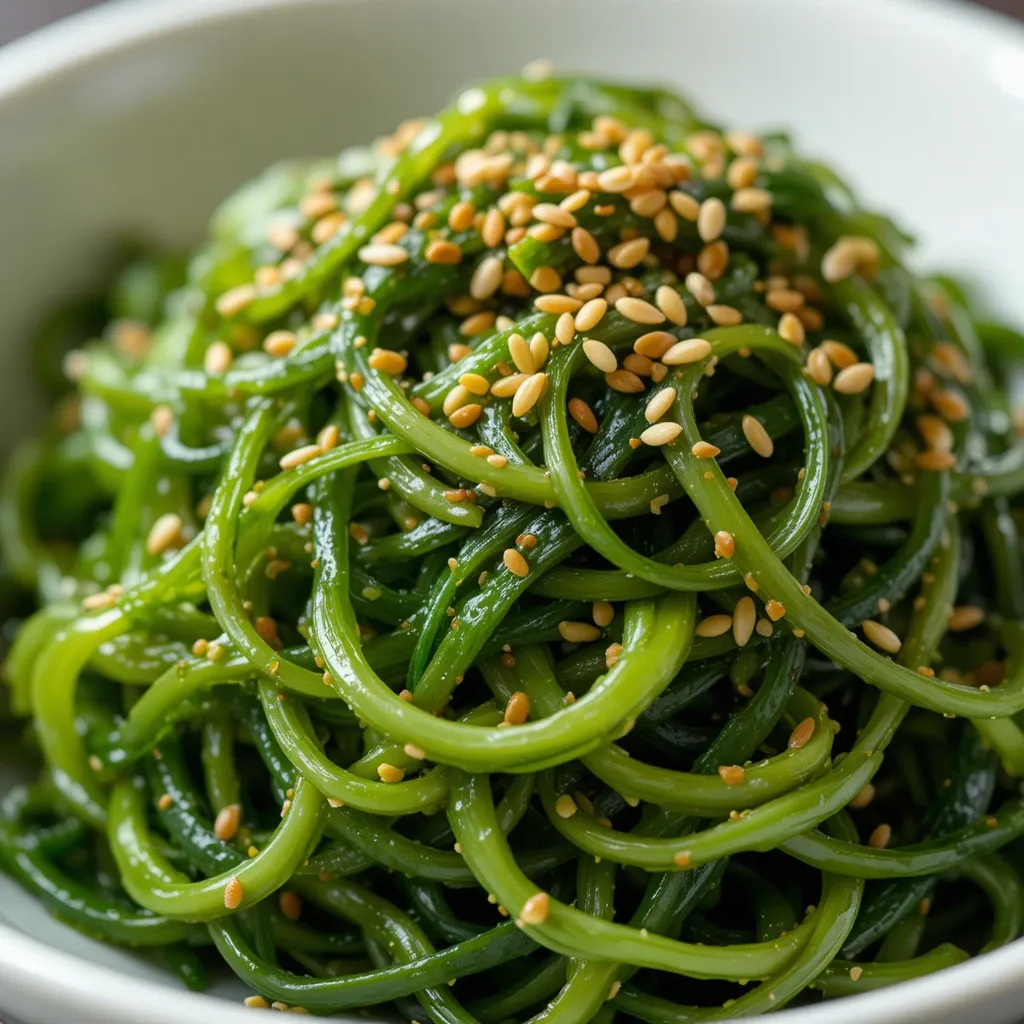
The emerald ribbons of sea vegetables offer a unique texture that’s both silky and slightly crunchy. Trust me, once you try making this at home, you’ll wonder why you ever ordered takeout!
This recipe was fully created by AI and has not been tested at home by our team. Our readers matter to us, and many report positive experiences with other recipes shared on the site.
Why You’ll Love This Seaweed Salad
Let’s talk about what makes this recipe absolutely irresistible! First, the seaweed itself delivers an umami-packed punch with its naturally briny flavor complemented by sweet, tangy, and nutty notes from the dressing. The combination of toasted sesame oil, fresh ginger, and rice vinegar creates a flavor profile that’s both bold and refreshing.
Second, making seaweed salad at home saves you serious money. Restaurant portions are tiny and expensive, often costing $6-8 for a small bowl. With dried wakame costing just a few dollars and lasting for months, you can enjoy this nutritious treat whenever the craving strikes. Plus, you control the sodium content, making it much healthier than most restaurant versions.
Third, the toppings and ingredients are endlessly customizable. Crisp cucumber slices add refreshing crunch, toasted sesame seeds provide nutty richness, and optional toppings like shredded carrots, radish, or even avocado take this salad to the next level. Each bite offers different textures and flavors that keep things interesting.
If you love Asian-inspired salads, you’ll want to try my Asian cucumber salad too – it pairs beautifully with this dish! Ready to bring the sushi bar experience home? Let’s get started!
How to Make Seaweed Salad
Quick Overview
This seaweed salad is surprisingly simple to prepare, requiring minimal cooking skills and just a handful of ingredients. The magic happens when dried wakame transforms into tender, jade-green ribbons after a quick soak in cold water.
The homemade sesame-ginger dressing brings everything together with its perfect balance of savory, sweet, and tangy flavors. What makes this recipe especially appealing is its versatility – serve it as a light appetizer, a nutritious side dish, or even add it to rice bowls for extra nutrition and flavor.
Preparation Time: 10 minutes
Soaking Time: 5-10 minutes
Total Time: 15-20 minutes
Servings: 4 servings
Key Ingredients for Seaweed Salad
For the Salad:
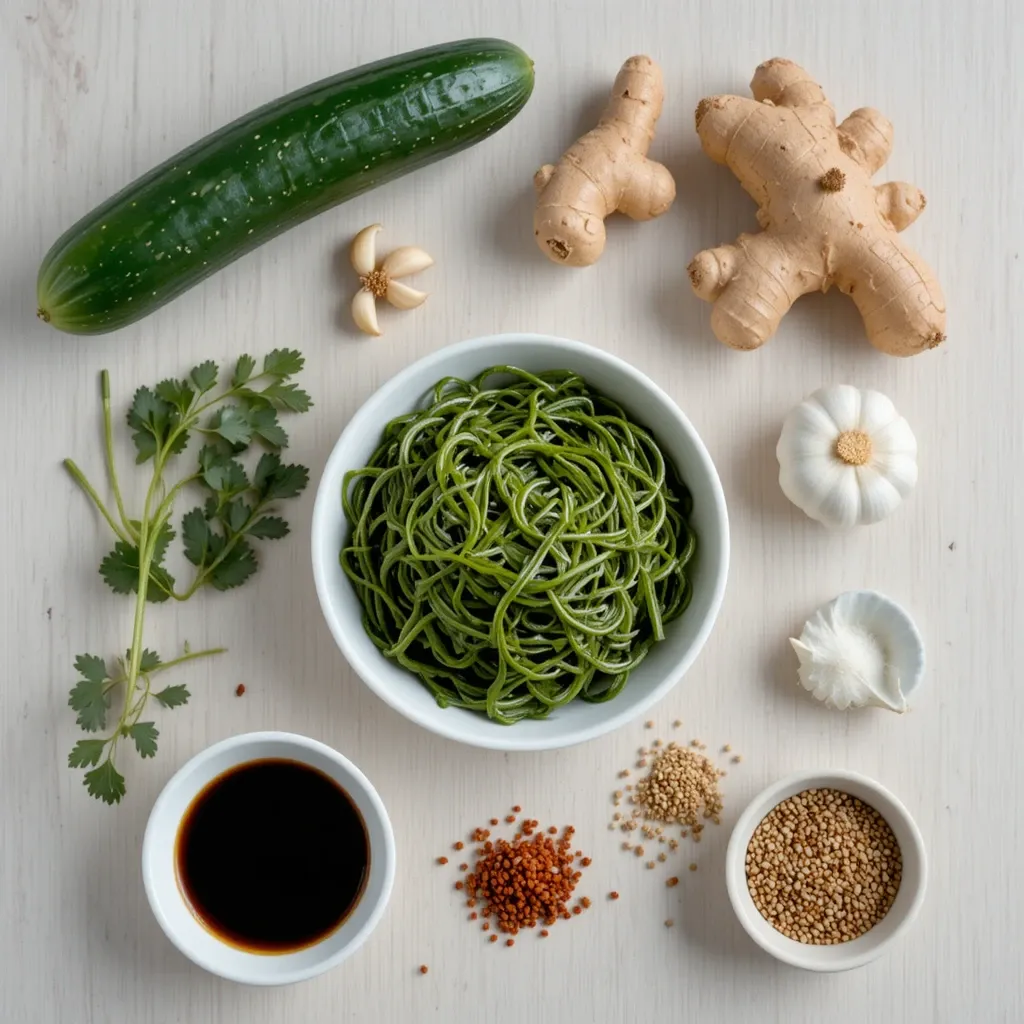
- ½ cup (15g) dried wakame seaweed or mixed seaweed blend
- 1 medium cucumber, thinly sliced
- 2 tablespoons toasted sesame seeds (white or mixed)
- Optional: thinly sliced carrot, radish ribbons
For the Dressing:
- 3 tablespoons rice vinegar (unseasoned)
- 2 tablespoons soy sauce (use low-sodium if preferred)
- 1 tablespoon toasted sesame oil
- 1 teaspoon granulated sugar or honey
- 1 teaspoon fresh ginger, finely grated
- 1 clove garlic, minced
- ¼ teaspoon red pepper flakes (optional, for heat)
Step-by-Step Instructions
How do I rehydrate dried seaweed properly?
Place the dried wakame seaweed in a medium-sized bowl. Cover completely with cold water, ensuring there’s at least 3-4 inches of water above the seaweed. Let it soak for 5-10 minutes until fully rehydrated and tender. The seaweed will expand significantly, typically 3-4 times its dried size. Test a piece after 5 minutes – it should be tender but still have a slight chew. Don’t oversoak, or it becomes mushy.
How do I prepare the seaweed after soaking?
Once the seaweed is fully rehydrated, drain it in a fine-mesh colander or strainer. Rinse thoroughly under cold running water to remove any excess salt or ocean flavor. Gently squeeze the seaweed with your hands to remove as much moisture as possible. This step is crucial because excess water will dilute your dressing. If the seaweed pieces are very long, use kitchen scissors to cut them into bite-sized pieces, about 2-3 inches long.
How do I make the perfect sesame-ginger dressing?
In a small bowl, whisk together the rice vinegar, soy sauce, toasted sesame oil, and mirin until well combined. Add the sugar and whisk vigorously until it completely dissolves. Stir in the freshly grated ginger, minced garlic, and red pepper flakes if using. Taste the dressing and adjust the flavors to your preference – add more sugar for sweetness, soy sauce for saltiness, or vinegar for tanginess. The dressing should taste balanced with no single flavor overpowering the others.
How do I assemble the seaweed salad?
Place the drained and squeezed wakame in a serving bowl. Add the thinly sliced cucumber and any other vegetables you’re using. Pour the dressing over the seaweed mixture, ensuring everything is evenly coated. Toss gently but thoroughly using tongs or chopsticks. Let the salad sit for at least 10 minutes at room temperature, or cover and refrigerate for 30 minutes to 1 hour. This resting time allows the flavors to meld beautifully. Just before serving, sprinkle generously with toasted sesame seeds and give it one final toss.
What to Serve Seaweed Salad With
Seaweed salad pairs wonderfully with a variety of dishes, making it an incredibly versatile addition to your meal planning. Serve it alongside sushi rolls, sashimi, or poke bowls for an authentic Japanese dining experience. It’s also fantastic with grilled fish like salmon or teriyaki chicken, as the salad’s acidity and freshness cut through richer flavors beautifully.
For a light lunch, pair it with miso soup and edamame. The salad also works wonderfully as a topping for rice bowls, ramen, or udon noodles, adding both nutrition and interesting texture. If you’re hosting, serve it as part of an appetizer spread with gyoza, spring rolls, and steamed dumplings.
Don’t forget beverages! Green tea, both hot and iced, complements the umami flavors perfectly. For something more substantial, pair it with grilled vegetables or Asian-inspired stir-fries.
Top Tips for Perfecting Seaweed Salad
What’s the best type of seaweed to use?
Look for dried wakame seaweed at Asian grocery stores or online. Mixed seaweed blends (containing wakame, red tsunomata, green seaweed, and agar) create more visual interest with varied colors and textures. If wakame isn’t available, you can substitute with arame or hijiki, though these have stronger flavors and different textures. Avoid using nori sheets, as they’re not suitable for salads.
How can I control the saltiness?
Restaurant seaweed salads are often overly salty. Control sodium by using low-sodium soy sauce and rinsing your rehydrated seaweed thoroughly. Start with less soy sauce in your dressing and add more to taste. You can also dilute the dressing with a splash of water if it’s too intense.
How do I achieve restaurant-style presentation?
Temperature matters! Serve the salad cold for the best flavor and texture. Mound it attractively in a small bowl or plate. Use a mandoline to cut cucumber into paper-thin, uniform slices. Toast your sesame seeds until golden and fragrant for maximum flavor. Garnish with a small pinch of red pepper flakes or thinly sliced scallion greens for a pop of color.
Can I make it spicier?
Absolutely! Add more red pepper flakes, a drizzle of sriracha, or mix in some Korean gochugaru (red pepper powder) for authentic Korean-style spice. Fresh sliced chili peppers also work wonderfully.
Storing and Reheating Tips
Refrigeration: Store seaweed salad in an airtight container in the refrigerator for up to 3-4 days. The seaweed will continue to absorb the dressing flavors, making it even more delicious on day two. However, if you’ve added cucumber, the salad is best consumed within 2 days, as cucumbers release water over time and can make the salad watery.
Best Storage Practice: For maximum freshness, store the undressed seaweed and dressing separately in the refrigerator. Combine them just before serving. The seaweed will stay fresh for up to 5 days, and the dressing for up to one week.
Freezing: Freezing is not recommended for seaweed salad. The texture of both the seaweed and cucumber deteriorates significantly when frozen and thawed, becoming mushy and unappetizing.
Serving from the Fridge: Seaweed salad is meant to be served cold, so there’s no need to reheat it. Simply remove from the refrigerator, give it a good stir, add a sprinkle of fresh sesame seeds if desired, and serve immediately.
Make-Ahead Tips: This salad is perfect for meal prep! Prepare a large batch of rehydrated seaweed at the beginning of the week and store it in an airtight container. Make the dressing separately and store it in a jar. When you’re ready to eat, simply combine a portion of seaweed with dressing and your toppings.
Tips for Avoiding Common Mistakes
Mistake #1: Over-soaking the seaweed. Seaweed that soaks too long becomes slimy and loses its pleasant texture. Stick to 5-10 minutes maximum. Set a timer so you don’t forget about it!
Mistake #2: Not squeezing out excess water. Failing to remove moisture from the seaweed dilutes the dressing and creates a watery, bland salad. Squeeze firmly but gently to extract water without breaking up the seaweed.
Mistake #3: Adding dressing too early. If you dress the salad hours in advance, the seaweed breaks down and becomes mushy. For best results, dress the salad no more than 1 hour before serving, or keep components separate until ready to eat.
Mistake #4: Using the wrong vinegar. Regular white vinegar is too harsh. Always use unseasoned rice vinegar, which has a milder, slightly sweet flavor that’s essential to authentic taste.
Mistake #5: Skipping the toasting step for sesame seeds. Raw sesame seeds lack the nutty depth that toasted ones provide. Toast them in a dry pan over medium heat for 2-3 minutes, shaking frequently until golden and fragrant.
Mistake #6: Cutting vegetables too thick. Thick cucumber or carrot pieces don’t mix well with the delicate seaweed. Use a mandoline or sharp knife to slice vegetables paper-thin for the best texture balance.
Mistake #7: Not tasting and adjusting. Everyone’s palate is different. Always taste your dressing before adding it to the seaweed and adjust the seasoning. The dressing should be slightly strong on its own since the seaweed will absorb and mellow the flavors.
Frequently Asked Questions
What does seaweed salad taste like?
Seaweed salad has a unique flavor profile that’s both refreshing and savory. The wakame itself has a mild, slightly sweet ocean taste with a hint of brininess. When dressed, it becomes tangy from the rice vinegar, savory from the soy sauce, and nutty from the sesame oil. The overall taste is umami-rich, similar to what you’d find in miso soup, but lighter and more refreshing. The texture is silky, slightly chewy, and pleasantly slippery.
Is seaweed salad healthy?
Yes, seaweed salad is incredibly nutritious! Wakame is packed with vitamins A, C, E, and K, as well as minerals like iodine, calcium, magnesium, and iron. It’s an excellent source of fiber and contains beneficial omega-3 fatty acids. Seaweed supports thyroid health, boosts immune function, and promotes digestive health. Homemade versions are much healthier than restaurant ones since you control the sodium content. One serving typically contains fewer than 100 calories while delivering impressive nutritional benefits.
Can I use fresh seaweed instead of dried?
While dried wakame is most commonly used and readily available, you can use fresh seaweed if you have access to it. Fresh wakame should be blanched briefly in boiling water for 30 seconds, then shocked in ice water to preserve its color. It doesn’t need the soaking step that dried seaweed requires. Fresh seaweed has a slightly different texture – more tender and delicate – but the flavor is similar.
Why is restaurant seaweed salad bright green?
The vibrant, almost neon-green color of restaurant seaweed salad often comes from food coloring, not the seaweed itself. Authentic wakame is naturally darker green or brown-green. Many commercial preparations add artificial coloring to make the dish more visually appealing. Homemade seaweed salad will have a more natural, darker green color, which is perfectly normal and more authentic.
Can I make seaweed salad vegan?
Absolutely! This recipe is naturally vegan-friendly. Just ensure your mirin doesn’t contain any fish-based ingredients (some brands do). You can substitute honey with agave nectar or maple syrup if your recipe calls for honey as a sweetener. The rest of the ingredients – wakame, soy sauce, rice vinegar, sesame oil, and vegetables – are all plant-based.
How long does dried wakame last?
When stored properly in an airtight container in a cool, dry place, dried wakame can last for 1-2 years. Always check the expiration date on the package. If the seaweed develops an off smell or shows signs of moisture or mold, discard it. Proper storage is key to maintaining quality and preventing spoilage.
Can I add protein to seaweed salad?
Yes! While traditionally served as a side dish, you can easily turn seaweed salad into a main course by adding protein. Grilled shrimp, seared tuna, baked salmon, or tofu cubes all work beautifully. For a vegetarian option, add edamame or marinated tempeh. These additions transform the salad into a complete, satisfying meal.
Is seaweed salad gluten-free?
Traditional seaweed salad is not gluten-free because soy sauce contains wheat. However, it’s easy to make it gluten-free by substituting regular soy sauce with tamari or gluten-free soy sauce. Also verify that your rice vinegar and mirin don’t contain gluten, as some brands add wheat-based ingredients.
Nutritional Information (Per Serving)
| Nutrient | Amount |
|---|---|
| Calories | 65 kcal |
| Total Fat | 4g |
| Saturated Fat | 0.5g |
| Sodium | 415mg |
| Total Carbohydrates | 6g |
| Dietary Fiber | 2g |
| Sugars | 3g |
| Protein | 2g |
| Vitamin A | 12% DV |
| Vitamin C | 8% DV |
| Calcium | 15% DV |
| Iron | 10% DV |
| Iodine | 45% DV |
| Magnesium | 8% DV |
Note: Nutritional values are approximate and may vary based on specific ingredients used.
Pro Chef’s Note: The secret to exceptional seaweed salad lies in the quality of your ingredients and proper preparation. Always rinse your rehydrated seaweed thoroughly, and don’t be afraid to taste and adjust your dressing. Fresh ginger makes a huge difference – it adds brightness that powdered ginger simply cannot match.
If you’re new to seaweed, start with a smaller batch to test your preference for texture and flavor intensity. Most people find that homemade seaweed salad tastes cleaner and fresher than restaurant versions, with a more balanced flavor profile.
This versatile dish truly shines when served alongside Japanese cuisine, but don’t hesitate to get creative and incorporate it into fusion dishes or modern bowl creations. Enjoy exploring the wonderful world of sea vegetables!
Final Thoughts: Making seaweed salad at home is not only economical but also allows you to create a healthier version with controlled sodium levels and fresh, quality ingredients. This ancient superfood deserves a regular place in your meal rotation, offering incredible nutritional benefits while satisfying your cravings for something unique and flavorful.
Whether you’re a sushi lover or simply looking to expand your culinary horizons, this seaweed salad recipe is your gateway to enjoying the ocean’s bounty in the comfort of your own kitchen!
