
Easy Pasta Primavera Recipe – Garden Fresh Dinner
Picture this: colorful vegetables dancing in a light, garlicky sauce, twirled around perfectly cooked pasta. That’s Pasta Primavera Recipe, and it’s about to become your family’s new favorite dinner! This vibrant dish brings together the best of garden-fresh produce in one simple, satisfying bowl.
Here’s something fun: while “primavera” means “spring” in Italian, this beloved recipe was actually born in New York City! This dish is special because it transforms everyday vegetables into something truly magical. With just 30 minutes and a handful of fresh ingredients, you can create a restaurant-quality meal that even picky eaters will love.
It’s cheaper than takeout, healthier than frozen dinners, and so much more delicious. If you enjoyed our creamy garlic pasta, you’ll absolutely adore this veggie-packed version that’s bursting with color and nutrition!
What is Pasta Primavera?
Ever wondered why it’s called “Primavera” when you can enjoy it all year? Well, the name celebrates spring vegetables, but we think it’s perfect for any season! This delightful pasta dish was created in the 1970s at New York’s famous Le Cirque restaurant. Can you believe this “Italian” classic is actually American?
It just goes to show that the way to everyone’s heart truly is through their stomach! The beauty of Pasta Primavera lies in its flexibility. You get to be the chef and choose your favorite vegetables. Ready to create your own colorful masterpiece?
Why You’ll Love This Pasta Primavera
It’s a Complete Meal in One Bowl
This pasta primavera packs a nutritious punch with every forkful. You’re getting your vegetables, your carbs, and plenty of flavor all in one delicious dish. No need to prepare multiple side dishes when everything comes together so beautifully.
Save Money While Eating Better
Restaurant pasta dishes can cost $15-20 per person, but making this at home costs just a fraction of that. You’ll spend around $10-12 to feed your entire family a wholesome, fresh meal. Plus, you control exactly what goes into your dish – no mystery ingredients or excessive salt!
Endless Flavor Possibilities
The combination of fresh vegetables, aromatic garlic, bright lemon, and savory Parmesan cheese creates layers of flavor that dance on your tongue. Each bite brings a different texture – crisp-tender vegetables, al dente pasta, and that silky, light sauce. You can customize it with your family’s favorite veggies or whatever looks best at the market. Speaking of customization, if you love versatile pasta dishes, be sure to check out our popular vegetable pasta bake that also lets you mix and match ingredients. Don’t wait another day – grab your freshest vegetables and let’s get cooking!
How to Make Pasta Primavera
Quick Overview
This pasta primavera recipe is wonderfully straightforward and perfect for busy weeknights. You’ll love how the vegetables stay crisp-tender while the pasta absorbs all those beautiful flavors. The light garlic and Parmesan sauce brings everything together without feeling heavy. It’s fresh, it’s satisfying, and it looks absolutely stunning on the plate.
- Prep Time: 15 minutes
- Cook Time: 15 minutes
- Total Time: 30 minutes
- Servings: 6 generous portions
Key Ingredients for Pasta Primavera
For the Pasta:
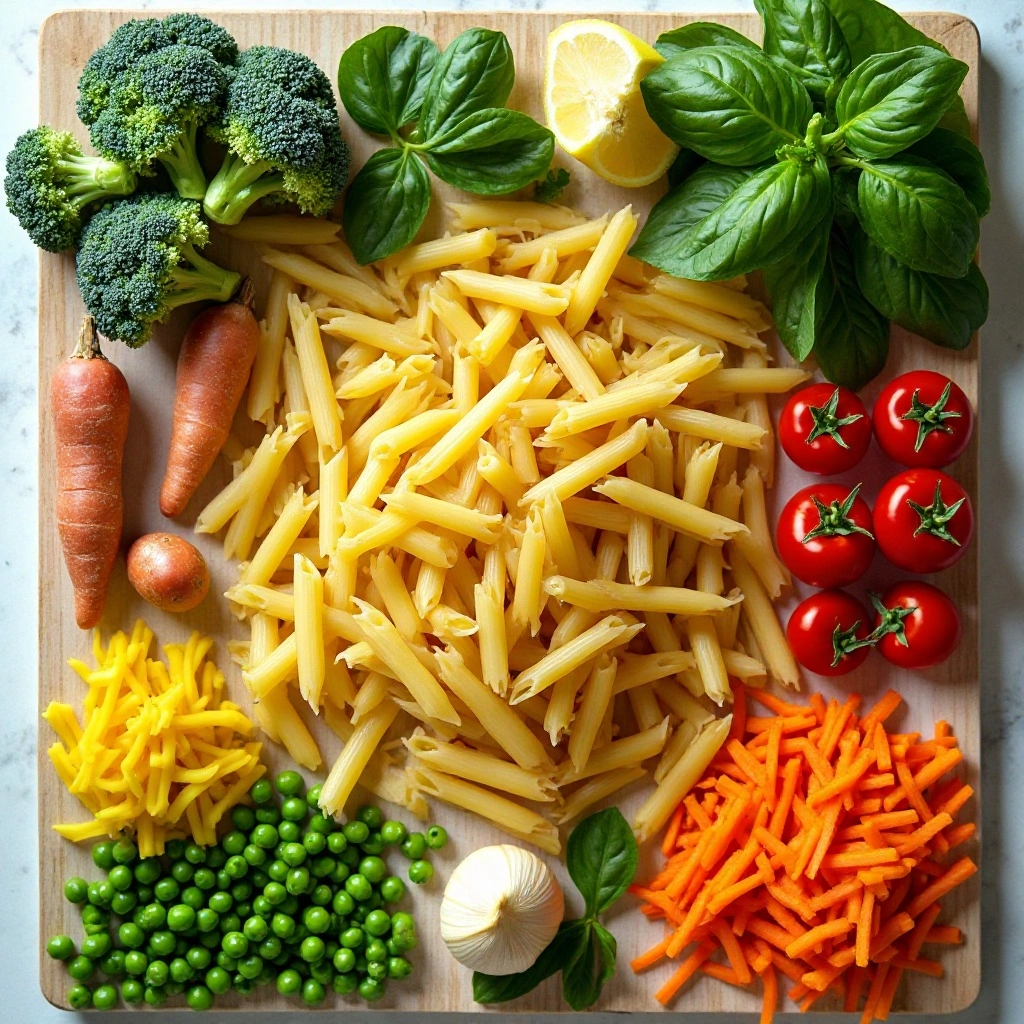
- 1 pound penne or fusilli pasta (any short pasta works great)
- 2 tablespoons salt for pasta water
For the Vegetables:
- 2 medium zucchini, sliced into half-moons
- 1 yellow squash, sliced
- 2 cups broccoli florets
- 1 red bell pepper, cut into strips
- 1 cup cherry tomatoes, halved
- 1 cup frozen peas (or fresh if available)
- 1 medium carrot, julienned or ribboned
For the Sauce:
- 4 tablespoons extra virgin olive oil
- 6 cloves garlic, minced
- ½ cup freshly grated Parmesan cheese
- Juice of 1 large lemon (about 3 tablespoons)
- 1 teaspoon lemon zest
- ½ cup reserved pasta water
- Salt and black pepper to taste
- ¼ cup fresh basil, torn
- 2 tablespoons fresh parsley, chopped (optional)
Step-by-Step Instructions
- Prepare Your Ingredients: Start by washing and cutting all your vegetables. Having everything ready before you start cooking makes the process so much smoother. Bring a large pot of water to a rolling boil and add the salt. The water should taste like the ocean – this is how your pasta gets its flavor!
- Cook the Pasta: Add your pasta to the boiling water and cook according to package directions until al dente. This usually takes 8-10 minutes. Al dente means the pasta should have a slight bite to it – not mushy! Before draining, scoop out and save ½ cup of the starchy pasta water. This liquid gold will help create a silky sauce later. Drain the pasta and toss it with a tiny drizzle of olive oil to prevent sticking.
- Sauté the Vegetables: While your pasta cooks, heat 3 tablespoons of olive oil in your largest skillet over medium-high heat. Add the minced garlic and let it sizzle for about 30 seconds until fragrant – be careful not to burn it! Now add your heartier vegetables first: broccoli, carrots, and bell peppers. These need a bit more time to cook. Sauté for 3-4 minutes, stirring occasionally.
- Add Quick-Cooking Veggies: Toss in the zucchini, yellow squash, cherry tomatoes, and peas. These cook faster, so they go in later. Continue cooking for another 3-4 minutes. You want the vegetables to be tender-crisp – still bright in color and with a slight crunch. Season with a pinch of salt and pepper.
- Combine Everything: Add your drained pasta directly to the skillet with the vegetables. Drizzle the lemon juice over everything and add the lemon zest. Toss gently to combine. Now, add the reserved pasta water a little at a time, stirring as you go. This creates a light, glossy sauce that coats everything beautifully.
- Finish with Cheese and Herbs: Remove the pan from heat and sprinkle in the Parmesan cheese. Toss everything together until the cheese melts and creates a creamy coating. Tear in the fresh basil and add the parsley if using. Give it one final toss. Taste and adjust the seasoning with more salt, pepper, or lemon juice if needed.
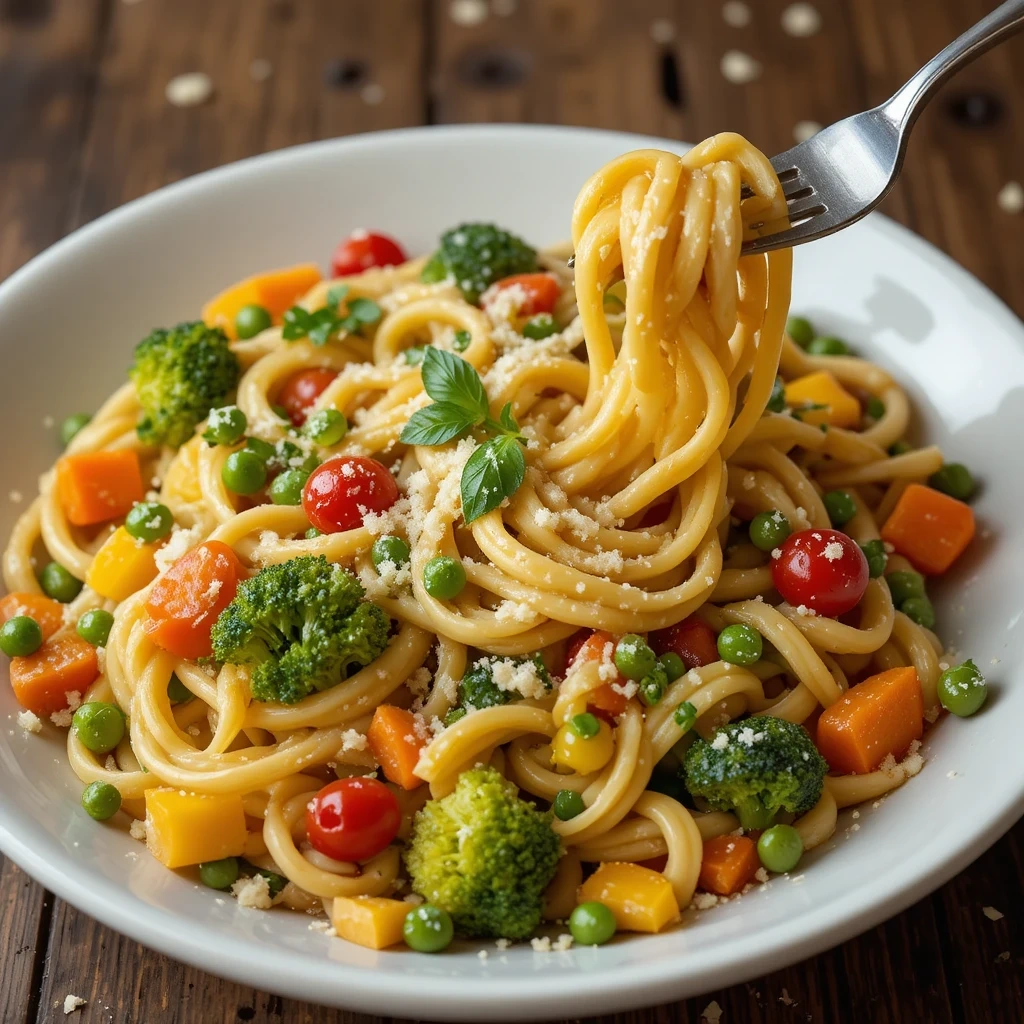
- Serve Immediately: Transfer to a large serving bowl or individual plates. Top with extra Parmesan cheese and a few fresh basil leaves for garnish. Serve hot and enjoy the burst of fresh flavors!
What to Serve Pasta Primavera With
While this pasta is hearty enough to stand on its own, these complementary dishes can round out your meal:
- Garlic Bread: Warm, crusty bread rubbed with garlic butter is perfect for soaking up any extra sauce.
- Simple Green Salad: A crisp salad with lemon vinaigrette keeps the meal fresh and light.
- Protein Addition: Grilled chicken, sautéed shrimp, or chickpeas make this even more filling for hungry families.
- Fresh Fruit: End the meal with sliced watermelon or a fruit salad for a refreshing finish.
Top Tips for Perfecting Pasta Primavera
- Don’t Overcook the Vegetables: The key to amazing pasta primavera is keeping your veggies bright and slightly crisp. They should still have texture and vibrant colors.
- Use Quality Parmesan: Freshly grated Parmesan from a block makes all the difference. Pre-shredded cheese contains anti-caking agents that prevent it from melting smoothly.
- Salt Your Pasta Water Generously: This is your only chance to season the pasta itself. Don’t be shy – use about 2 tablespoons of salt for a large pot.
- Save That Pasta Water: The starchy water is the secret to creating a silky sauce that clings to your pasta. Always reserve at least ½ cup before draining.
- Customize Your Veggies: Use whatever vegetables are in season or on sale. Asparagus, green beans, mushrooms, and spinach all work beautifully.
- Add Vegetables in Stages: Harder vegetables like broccoli and carrots go in first, while delicate ones like tomatoes and peas go in later. This ensures everything cooks perfectly.
- Fresh Lemon is Essential: Bottled lemon juice just doesn’t have the same bright, fresh flavor. Use a real lemon for the best results.
- Make It Ahead Partially: You can chop all your vegetables in the morning and store them in the fridge. This makes dinner prep super quick!
- For Extra Creaminess: If you want a richer sauce, add ¼ cup of heavy cream along with the pasta water. Still light but slightly more indulgent!
Tips for Avoiding Common Mistakes
- Mistake: Overcooking the pasta – Solution: Cook pasta 1-2 minutes less than package directions since it will continue cooking when mixed with hot vegetables.
- Mistake: Crowding the pan – Solution: Use your largest skillet. If vegetables are crowded, they’ll steam instead of sauté and become mushy.
- Mistake: Forgetting the pasta water – Solution: Set that measuring cup right next to your pot as a reminder before you drain the pasta.
- Mistake: Adding cheese while heat is too high – Solution: Remove from heat before adding Parmesan to prevent the cheese from becoming grainy or clumpy.
- Mistake: Skipping the lemon – Solution: The lemon brightens all the flavors and is essential to this dish. Don’t skip it!
Storing and Reheating Tips
Storage:
Let any leftovers cool to room temperature before storing. Transfer to an airtight container and refrigerate for up to 4 days. The vegetables will soften slightly as they sit, but the pasta will still taste delicious. If you plan to make this ahead, slightly undercook the vegetables so they don’t become too soft after storage.
Reheating:
The best way to reheat pasta primavera is on the stovetop. Place it in a large skillet with 2-3 tablespoons of water or chicken broth. Heat over medium-low, stirring gently until warmed through. This keeps the vegetables from drying out. You can also microwave individual portions for 1-2 minutes, but add a splash of water and cover the dish to prevent drying.
Freezing:
While you can freeze this dish for up to 2 months, be aware that the texture of the vegetables will change significantly. They’ll become softer upon thawing. If you do freeze it, thaw overnight in the refrigerator and reheat gently on the stovetop with added liquid.
Nutrition Information
Per serving (based on 6 servings):
| Nutrient | Amount |
| Calories | 340 kcal |
| Total Carbohydrates | 54g |
| Protein | 12g |
| Total Fat | 11g |
| Saturated Fat | 2.5g |
| Fiber | 5g |
| Sodium | 280mg |
| Vitamin A | 35% DV |
| Vitamin C | 80% DV |
Frequently Asked Questions
Can I use frozen vegetables instead of fresh?
Yes, you can! Frozen vegetables work well in pasta primavera. Just remember to thaw and pat them dry before cooking to avoid excess water in your dish. Frozen broccoli, peas, and bell peppers all work great. However, fresh vegetables will give you the best texture and brightest flavors.
Is pasta primavera healthy?
Absolutely! This dish is packed with nutrient-rich vegetables that provide vitamins, minerals, and fiber. It’s naturally vegetarian and can easily be made vegan by omitting the Parmesan cheese or using a plant-based alternative. The portion of pasta is balanced with a generous amount of vegetables, making it a wholesome meal option.
Can I make this recipe vegan?
Yes! Simply skip the Parmesan cheese or substitute it with nutritional yeast or vegan Parmesan. The dish will still be delicious with the garlic, lemon, and fresh vegetables. You can also add a tablespoon of tahini or cashew cream for extra richness.
What pasta shape works best?
Short pasta shapes work wonderfully because they catch the vegetables and sauce in every bite. Penne, fusilli, farfalle, rigatoni, and orecchiette are all excellent choices. You can also use long pasta like linguine or fettuccine if that’s what you have on hand. For gluten-free diets, gluten-free pasta works perfectly – just cook it according to package directions.
Can I add protein to this dish?
Definitely! Grilled chicken, sautéed shrimp, or pan-seared tofu are fantastic additions. You can also stir in chickpeas or white beans for a vegetarian protein boost. If adding meat or seafood, cook it separately and toss it in at the end to keep everything perfectly cooked.
How do I keep the vegetables from getting mushy?
The key is to cook vegetables over medium-high heat and not overcook them. They should be tender-crisp, meaning they still have a slight crunch. Add harder vegetables like broccoli and carrots first, then add softer vegetables like zucchini and tomatoes later. Keep them moving in the pan and don’t cover them unless specified.
Can I make this ahead of time?
You can prep all the vegetables ahead and store them in the fridge for up to a day. However, it’s best to cook pasta primavera fresh for optimal texture. If you must make it ahead, slightly undercook the pasta and vegetables, then reheat gently with a splash of pasta water or broth to refresh the dish.
Why is my sauce watery?
This usually happens when vegetables release too much moisture or if you add too much pasta water. Make sure to sauté vegetables over medium-high heat so excess moisture evaporates. Add pasta water gradually – start with just a few tablespoons and add more only if needed. The starchy pasta water should create a light, silky coating rather than a puddle.
What vegetables are traditional in pasta primavera?
While there’s no strict rule, traditional pasta primavera often includes a mix of: broccoli, zucchini, bell peppers, cherry tomatoes, peas, and carrots. Asparagus is also a classic spring addition. The beauty of this dish is its flexibility – use whatever fresh vegetables look best at your market!
Can kids help make this recipe?
Absolutely! This is a wonderful recipe for cooking with children. They can help wash vegetables, tear basil leaves, measure ingredients, and toss everything together at the end. Older children can help with cutting softer vegetables under supervision. It’s a great way to get them excited about eating their veggies!
Final Thoughts
Pasta Primavera is more than just a recipe – it’s a celebration of fresh, colorful vegetables that brings joy to your dinner table. This versatile dish proves that healthy eating doesn’t have to be complicated or boring. Whether you’re feeding picky eaters, trying to sneak more vegetables into your family’s diet, or simply looking for a quick and delicious weeknight meal, this pasta primavera delivers on all counts.
The best part? You can make it your own. Swap vegetables based on what’s in season, add your favorite protein, or adjust the sauce to your family’s preferences. Every time you make it, it can be a little different, which keeps dinner exciting!
So grab that colorful array of vegetables from your fridge, put on some music, and get cooking. Your family will be asking for seconds before you know it. Don’t forget to save this recipe and share it with friends who could use a simple, healthy dinner idea. Happy cooking!
Did you make this Pasta Primavera recipe? We’d love to hear about it! Leave a comment below, rate the recipe, and share your photos on social media. Tag us so we can see your beautiful creations!
