
Easy Keto Lasagna Noodles with Almond Flour Recipe
Imagine biting into tender, perfectly layered lasagna without the carb guilt. These keto lasagna noodles with almond flour deliver that exact experience! They’re surprisingly easy to make, hold together beautifully when layered, and taste remarkably close to traditional pasta.
I stumbled upon this recipe during my first month of keto when I was desperately craving Italian comfort food. The best part? You probably have most ingredients in your pantry already. If you loved my cauliflower crust pizza, you’ll absolutely adore these noodles—they’re just as satisfying and family-approved!
What Are Keto Lasagna Noodles with Almond Flour?
Ever wondered how to enjoy lasagna while staying in ketosis? That’s exactly what these magical noodles answer! Instead of wheat-based pasta loaded with carbs, we’re using protein-rich almond flour to create thin, flexible sheets that layer beautifully with your favorite fillings.
My Italian grandmother would probably raise an eyebrow at first, but after one bite, she’d be asking for the recipe! After all, they say the way to anyone’s heart is through their stomach, and these keto-friendly noodles prove you don’t need to sacrifice flavor for health. Trust me, once you master this technique, you’ll wonder why you didn’t try it sooner. Give them a shot this weekend!
Why You’ll Love This Keto Lasagna Noodles with Almond Flour
The Texture is Unbelievably Close to Real Pasta
The first time I pulled these noodles from the oven, I couldn’t believe how they mimicked traditional lasagna sheets. They’re tender yet sturdy enough to hold generous layers of cheese and sauce without falling apart. The almond flour creates this slightly nutty undertone that complements rich tomato sauce and creamy ricotta perfectly. You get that satisfying chew without any soggy disappointment.
Save Money While Staying Keto
Have you seen the prices of store-bought keto pasta alternatives? They’re ridiculously expensive! Making these noodles at home costs a fraction of the price. A bag of almond flour goes a long way, and you’re probably already buying eggs and cheese for other recipes. Plus, you control exactly what goes into them—no weird additives or preservatives.
Endless Flavor Possibilities
These noodles are like a blank canvas waiting for your creativity. Load them with grass-fed beef, Italian sausage, sautéed mushrooms, fresh spinach, or roasted vegetables. The beauty is in the versatility. Want to add fresh basil and oregano right into the noodle dough? Go for it! Craving a white sauce lasagna instead? These noodles handle it beautifully. If you enjoyed experimenting with my keto pizza crust variations, you’ll have a blast customizing these sheets too. Start simple, then let your inner chef shine!
How to Make Keto Lasagna Noodles with Almond Flour
Quick Overview
Making keto lasagna noodles with almond flour is simpler than you’d think! The process involves mixing a few basic ingredients into a smooth dough, rolling it thin, and par-baking the sheets before assembling your lasagna.
What makes this recipe foolproof is the forgiving nature of the dough. Unlike traditional pasta that requires precise kneading and resting times, this comes together quickly in one bowl.
The slightly nutty flavor from almond flour adds depth without overpowering your sauce and cheese. Plus, these noodles are naturally gluten-free and packed with protein.
This recipe was created with AI guidance and hasn’t been personally prepared; we do our best to be accurate.
Time Breakdown:
- Prep Time: 15 minutes
- Baking Time: 10-12 minutes for noodles + 30-35 minutes for assembled lasagna
- Total Time: Approximately 60 minutes
- Serves: 6-8 people
Key Ingredients for Keto Lasagna Noodles with Almond Flour
For the Noodles:
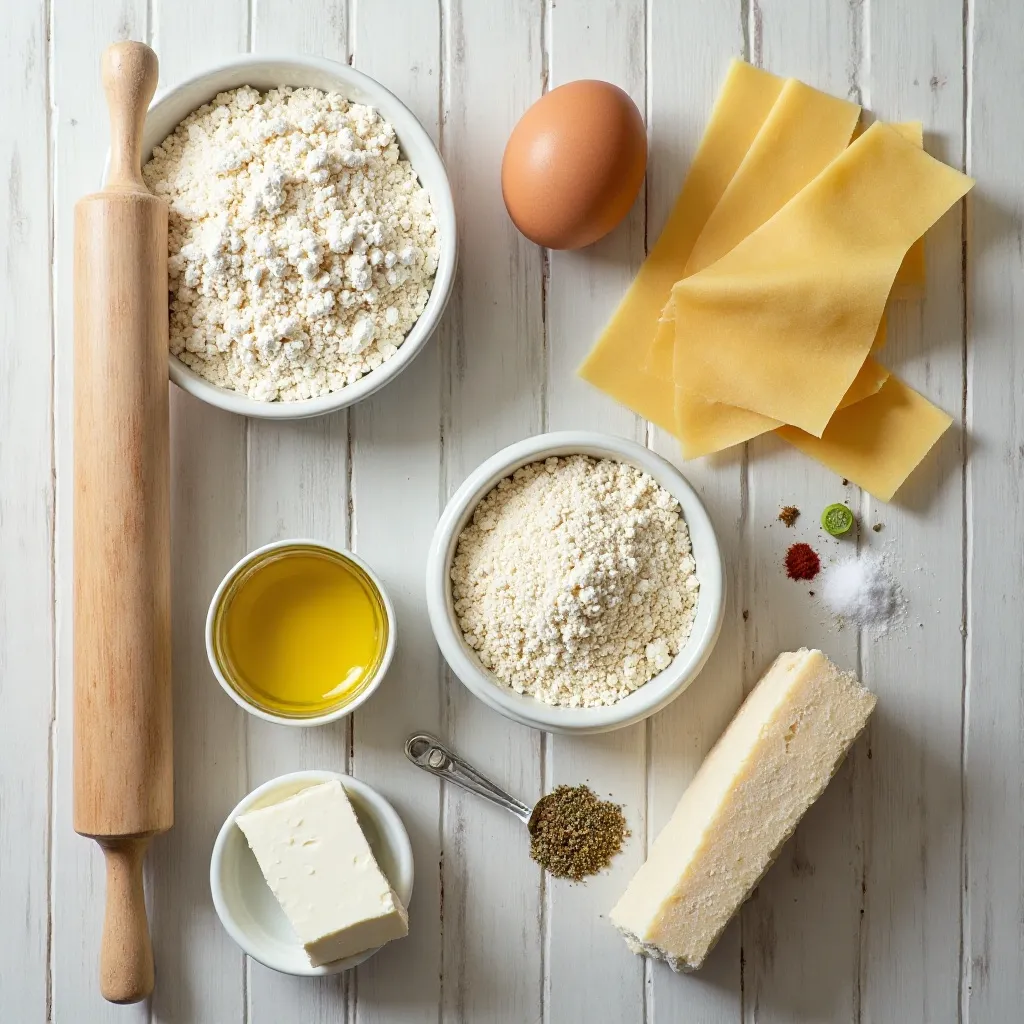
- 2 cups blanched almond flour (finely ground works best)
- 2 tablespoons psyllium husk powder (this is crucial for binding)
- 3 large eggs (room temperature)
- 1/2 teaspoon sea salt
- 1/2 teaspoon garlic powder (optional but recommended)
- 1 tablespoon olive oil (for easier rolling)
For the Lasagna Assembly:
- 2 cups sugar-free marinara sauce
- 2 cups whole milk ricotta cheese
- 3 cups shredded mozzarella cheese
- 1 cup grated Parmesan cheese
- 1 pound ground beef or Italian sausage (cooked)
- Fresh basil for garnish
- Italian seasoning to taste
Step-by-Step Instructions
Preparing the Noodle Dough
Start by preheating your oven to 350°F (175°C). Line two large baking sheets with parchment paper—this prevents sticking and makes cleanup so much easier.
But you have to be careful with time and texture. Over-bake, and the noodles get brittle and break. Under-bake, and they fall apart in the lasagna.
In a large mixing bowl, combine the almond flour, psyllium husk powder, salt, and garlic powder. Whisk these dry ingredients together thoroughly to ensure even distribution. This step matters because any clumps will create uneven texture in your noodles.
In a separate bowl, beat the eggs until slightly frothy. olive oil, mixing until well combined. The mixture should look creamy and smooth.
Pour the wet ingredients into the dry ingredients. Using a sturdy spoon or your hands, mix everything together until a cohesive dough forms. The dough will feel slightly sticky at first—that’s normal! Let it rest for 2-3 minutes. The psyllium husk will absorb moisture and the dough will become more manageable.
Rolling Out the Noodles
This is where patience pays off! Divide your dough into 4 equal portions. Working with one portion at a time, place it between two sheets of parchment paper. This prevents sticking without adding extra flour.
Using a rolling pin, roll the dough as thin as possible—aim for about 1/8 inch thickness. Think thin like traditional lasagna noodles. The thinner you roll, the more pasta-like the texture becomes. Don’t worry if the edges aren’t perfectly rectangular; you can trim them or embrace the rustic look!
Carefully peel off the top parchment paper. Using a pizza cutter or sharp knife, cut the dough into rectangular strips approximately 3 inches wide and 8 inches long. The size should fit your baking dish nicely.
Par-Baking the Noodles
Transfer the cut noodles onto your prepared baking sheets, leaving a little space between each sheet. They won’t spread, but you want air circulation.
Bake in the preheated oven for 10-12 minutes. You’re not looking for browning here—just a firm, slightly dried texture. The noodles should be pliable but hold their shape. They’ll finish cooking when you assemble and bake the lasagna.
Remove from the oven and let them cool slightly on the baking sheets. They’ll firm up more as they cool. Now you’re ready to build your masterpiece!
Assembling the Lasagna
Prepare your filling while the noodles cool. Brown your ground beef or sausage in a large skillet, season with salt, pepper, and Italian herbs. Drain any excess fat. Mix in half of your marinara sauce and set aside.
In a medium bowl, combine the ricotta cheese with one beaten egg, half the Parmesan cheese, salt, pepper, and Italian seasoning. This creates a creamy, flavorful cheese layer.
Now for the fun part—layering! Spread a thin layer of marinara sauce on the bottom of a 9×13 inch baking dish. This prevents sticking and adds flavor.
Lay down your first layer of keto noodles, slightly overlapping if needed. Spread half the ricotta mixture over the noodles. Add half the meat sauce, then sprinkle with one-third of the mozzarella cheese.
Repeat with another layer of noodles, the remaining ricotta mixture, remaining meat sauce, and another third of mozzarella. Top with a final layer of noodles, remaining marinara sauce, and the last of the mozzarella and Parmesan cheeses.
Final Baking
Cover your lasagna with aluminum foil and bake at 375°F (190°C) for 25 minutes. The foil prevents the cheese from browning too quickly.
Remove the foil and bake for an additional 10-15 minutes until the cheese is bubbly, golden, and irresistible. You want those gorgeous browned spots on top!
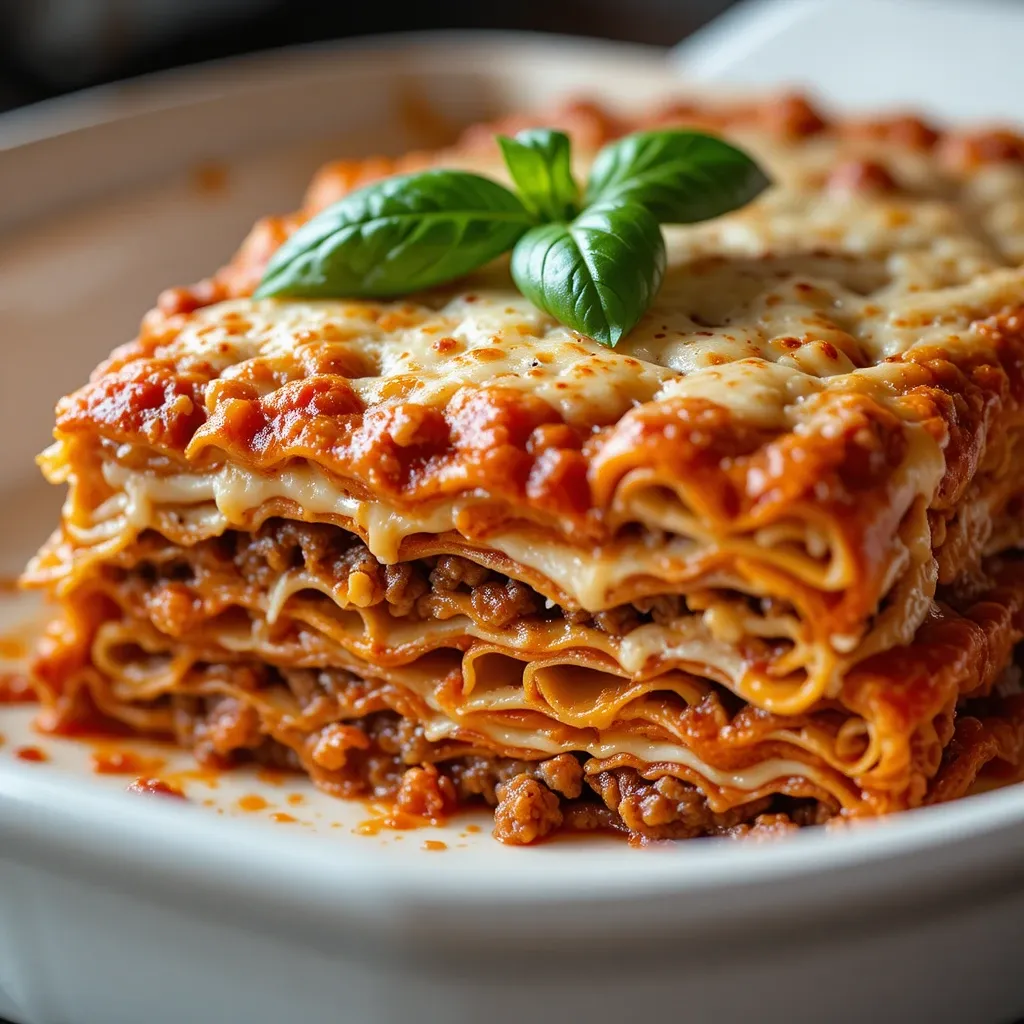
Let the lasagna rest for 10-15 minutes before slicing. This resting time is crucial—it allows the layers to set so your slices hold together beautifully. Garnish with fresh basil and serve hot.
What to Serve Keto Lasagna Noodles With
A hearty keto lasagna deserves equally delicious side dishes! Start with a crisp Caesar salad dressed with homemade keto-friendly dressing and plenty of Parmesan shavings. The crunch and tang balance the rich, creamy lasagna perfectly.
Garlic bread might be off-limits on traditional keto, but make some almond flour garlic breadsticks instead. They’re buttery, garlicky, and perfect for wiping up extra sauce from your plate.
Roasted vegetables bring color and nutrition to your meal, garlic butter green beans, or a medley of zucchini, bell peppers, and cherry tomatoes drizzled with olive oil and herbs.
Top Tips for Perfecting Keto Lasagna Noodles with Almond Flour
Roll It Thin
The single biggest mistake I see people make is rolling the dough too thick. Thick noodles won’t soften properly during baking and create a dense, almost bread-like texture in your lasagna. Take your time rolling each portion as thin as possible. If the dough resists, let it rest for a minute and try again.
Par-Bake, Don’t Fully Bake
Your noodles need to be firm enough to handle but not crispy. If you over-bake them during the par-baking stage, they’ll become brittle and break when you try to layer them. Watch them closely and remove them when they’re just set and slightly dried on the surface.
Adjust Moisture as Needed
Almond flour brands vary in how much moisture they absorb. If your dough feels too dry and crumbly, add an extra egg yolk or a teaspoon of water. Too sticky? Add a tablespoon more almond flour. The goal is a smooth, pliable dough that rolls easily.
Let the Assembled Lasagna Rest
Patience is your friend after baking! That 10-15 minute rest time isn’t optional. The layers need time to settle and firm up. Cut into it too soon and you’ll have a saucy mess on your plate instead of neat, defined layers.
Freeze Individual Noodles
Make a double batch of noodles and freeze the extras! Lay par-baked noodles flat in a freezer bag with parchment paper between each sheet. They’ll keep for up to 3 months. When you’re ready to use them, there’s no need to thaw—just assemble your lasagna with frozen noodles and add 5-10 minutes to the covered baking time.
Storing and Reheating Tips
Refrigerator Storage
Store leftover lasagna in an airtight container in the refrigerator for up to 5 days. The flavors actually develop and improve after a day or two! I often think lasagna tastes better on day two when everything has melded together.
For best results, portion the lasagna into individual servings before storing. This makes reheating quicker and prevents you from heating and re-cooling the entire dish multiple times.
Freezing for Later
Keto lasagna freezes beautifully! You can freeze the entire assembled but unbaked lasagna for up to 3 months. Wrap it tightly in plastic wrap, then aluminum foil to prevent freezer burn. When you’re ready to enjoy it, thaw overnight in the refrigerator and bake as directed, adding 10 extra minutes to the covered baking time.
Alternatively, freeze individual portions in freezer-safe containers. This is perfect for meal prep or those nights when only one person wants lasagna. Each portion will keep for 2-3 months frozen.
Reheating for Best Results
For oven reheating, place a portion in an oven-safe dish, cover with foil, and warm at 350°F for 15-20 minutes until heated through. Remove the foil for the last 5 minutes if you want to re-crisp the top layer of cheese.
Microwave reheating works in a pinch! Place a serving on a microwave-safe plate and heat in 1-minute intervals at 70% power, checking after each interval. This gentler approach prevents the noodles from becoming rubbery.
Add a tablespoon of water or extra marinara sauce before reheating if the lasagna looks dry. Cover the dish to trap steam, which helps redistribute moisture evenly.
Frequently Asked Questions
Can I make these noodles without psyllium husk?
Unfortunately, psyllium husk is essential for binding and creating the right texture. Without it, the noodles will fall apart. If you absolutely can’t find it, try doubling the xanthan gum, though results may vary. Psyllium husk is available at most health food stores and online.
Why are my noodles falling apart?
This usually happens when the dough is rolled too thin or doesn’t have enough binding agents. Make sure you’re using the full amounts of psyllium husk and xanthan gum. Also, par-baking is crucial—underbaked noodles won’t be firm enough to handle.
Can I use almond meal instead of almond flour?
Almond flour is finely ground and creates smoother noodles. Almond meal is coarser and will result in a grainier texture that doesn’t hold together as well. Stick with blanched almond flour for best results.
How many carbs are in these noodles?
Each serving of the noodles alone contains approximately 4-5 net carbs, depending on your almond flour brand. An entire serving of lasagna (with all fillings) typically has 8-10 net carbs, making it perfectly keto-friendly.
Can I make the noodles ahead of time?
Absolutely! Par-bake the noodles, let them cool completely, then store them in an airtight container with parchment paper between each layer. They’ll keep refrigerated for 3 days or frozen for 3 months.
My dough is too sticky to roll. What should I do?
Let the dough rest for 5 minutes after mixing. The psyllium husk needs time to absorb the moisture. If it’s still too sticky, add another tablespoon of almond flour. Rolling between parchment paper also helps tremendously.
Can I add herbs or spices to the noodles?
Yes! Italian seasoning, dried basil, oregano, or even a pinch of red pepper flakes work beautifully mixed into the dough. Keep additions to 1-2 teaspoons total so they don’t affect the texture.
What’s the best way to cut the noodles evenly?
A pizza cutter works wonderfully for clean, straight cuts. You can also use a sharp knife or even a ruler and knife if you want perfectly uniform sheets. Don’t stress too much about perfection—slightly uneven noodles still taste amazing!
Tips for Avoiding Common Baking Mistakes
Temperature Matters
Room temperature ingredients blend more smoothly and create better texture. Take your eggs out of the refrigerator 30 minutes before starting. Cold ingredients can cause the dough to seize up and become difficult to work with.
Don’t Overmix the Dough
Once your wet and dry ingredients come together, stop mixing. Overworking the dough can make it tough and dense. Mix just until everything is combined and you have a cohesive ball.
Use Fresh Baking Powder and Psyllium Husk
Check expiration dates! Old leavening agents and psyllium husk lose potency and won’t provide the structure your noodles need. This is especially important if you’ve had these ingredients sitting in your pantry for a while.
Measure Almond Flour Correctly
Spoon almond flour into your measuring cup and level it off with a knife. Don’t scoop directly from the bag or pack it down—this leads to too much flour, resulting in dry, crumbly noodles.
Parchment Paper is Your Best Friend
Always roll your dough between parchment paper sheets. This prevents sticking without adding extra flour that would alter the recipe’s carb count and texture. Plus, cleanup is a breeze!
Watch Your Oven Temperature
Every oven runs differently. Use an oven thermometer to verify your oven’s accuracy. Baking at too high a temperature will burn the edges before the centers are done. Too low, and your noodles won’t set properly.
Don’t Skip the Resting Time
Whether it’s letting the dough rest after mixing or letting the finished lasagna rest before cutting, these pauses improve your final result dramatically. The dough needs time to hydrate, and the lasagna needs time to set.
Nutrition Information (Per Serving)
| Nutrient | Amount |
|---|---|
| Calories | 385 |
| Total Fat | 28g |
| Saturated Fat | 11g |
| Cholesterol | 145mg |
| Sodium | 680mg |
| Total Carbohydrates | 12g |
| Dietary Fiber | 4g |
| Net Carbohydrates | 8g |
| Protein | 26g |
Nutrition information is approximate and based on one serving (1/8 of the recipe) including noodles, meat sauce, and cheese layers.
Final Thoughts
Creating keto lasagna noodles with almond flour truly revolutionizes low-carb eating. You’re not settling for spiralized vegetables or missing out on comfort food anymore. These noodles prove that keto can be delicious, satisfying, and completely guilt-free.
The first time you pull a bubbling, golden lasagna from your oven knowing you made every component from scratch—including the noodles—feels incredibly rewarding. Your family won’t believe it’s keto-friendly.
Take your time with the rolling process, don’t skimp on the binding agents, and trust the method. Once you’ve mastered these noodles, a whole world of keto pasta possibilities opens up. Try cutting them into fettuccine strips, making ravioli, or creating manicotti shells.
The beauty of this recipe is its versatility and reliability. Whether you’re feeding a crowd at a holiday gathering or meal prepping for busy weeknights, these noodles deliver every single time. Pin this recipe, bookmark it, and make it your go-to whenever lasagna cravings strike. Your keto journey just got a whole lot more delicious!
