
Healthy Broccoli Pasta Ready in 20 Minutes
Imagine tender pasta swimming in a silky, garlicky sauce where broccoli becomes the star ingredient instead of just another vegetable on the side. This broccoli pasta transforms humble ingredients into something magical that even picky eaters devour without complaints.
Here’s a fun fact: Italian grandmothers have been making this dish for generations, and they never needed fancy ingredients or complicated techniques. You deserve a recipe that’s genuinely simple, ready in about 20 minutes, and uses pantry staples you probably already have.
My kids ask for this almost weekly, which tells you everything you need to know about how delicious it truly is. If you loved our garlic butter noodles, wait until you try this veggie-packed version that sneaks nutrition into every forkful. Get ready to bookmark this keeper and make it your new weeknight hero.
What is Broccoli Pasta?
Ever wonder why something so simple has such a fancy-sounding name? Broccoli pasta is basically the Italian way of saying “we’re making vegetables taste incredible with minimal effort.” It’s called pasta con broccoli in Italy, where nonnas have perfected the art of cooking broccoli until it practically melts into a creamy sauce without using a drop of cream.
The secret? Cooking time and a bit of pasta water magic. You know that old saying about the way to anyone’s heart being through their stomach? This recipe proves it every single time. The broccoli gets so tender and flavorful that it clings to each piece of pasta like it was meant to be there. Don’t just take my word for it—grab your ingredients and see for yourself why this humble dish has stood the test of time.
Why You’ll Love This Broccoli Pasta
Restaurant-Quality Flavor Without the Price Tag
This broccoli pasta delivers the kind of comforting, satisfying meal that would cost you $18 at a restaurant, but you’ll make it at home for a fraction of that cost. The broccoli breaks down into a velvety sauce that coats every piece of pasta, creating layers of flavor that taste like you slaved away for hours. Your family gets restaurant-quality dinner without the hefty bill, the wait time, or the need to change out of your pajamas.
Budget-Friendly Nutrition That Doesn’t Skimp on Taste
Making this at home means you control what goes into the pot, and you’ll be shocked at how affordable the ingredient list is. One head of broccoli, some pasta, garlic, olive oil, and cheese create something far more delicious than the sum of their parts. You’re feeding your family nutrient-packed vegetables disguised as comfort food, and nobody’s complaining about eating their greens.
Toppings and Add-Ins Make It Your Own
The beauty of this recipe lies in its versatility—a sprinkle of red pepper flakes adds warmth, fresh lemon zest brings brightness, and toasted breadcrumbs give that satisfying crunch. Pecorino or Parmesan cheese melts into the sauce creating that irresistible umami flavor, while a drizzle of good olive oil at the end adds richness. Think of this as your blank canvas where you can add grilled chicken, crispy bacon bits, or keep it vegetarian—it works beautifully either way.
If you’re craving more pasta inspiration, check out our creamy garlic chicken pasta for another weeknight winner. Both recipes prove that simple ingredients and smart techniques beat complicated cooking every time. Get your pot boiling and let’s make something delicious.
How to Make Broccoli Pasta
Quick Overview
This broccoli pasta comes together faster than ordering takeout, with tender pasta and melt-in-your-mouth broccoli that creates its own creamy sauce. The magic happens when broccoli cooks in boiling water until super tender, then gets tossed with garlic-infused olive oil and starchy pasta water. You’ll love how the broccoli practically dissolves into a silky coating that clings to every piece of pasta. The whole process takes about 20-25 minutes from start to finish, making it perfect for those hectic weeknights when you need dinner on the table fast.
Preparation Time: 5 minutes
Cooking Time: 15-20 minutes
Total Time: 20-25 minutes
Servings: 4-6 people
Key Ingredients for Broccoli Pasta
For the Pasta:
- 1 pound (450g) short pasta (penne, rigatoni, orecchiette, or fusilli)
- 1 large head of broccoli (about 1.5 pounds), cut into small florets
- 6-8 cloves garlic, thinly sliced
- 1/3 cup extra virgin olive oil
- 1 cup freshly grated Pecorino Romano or Parmesan cheese
- 1/2 teaspoon red pepper flakes (optional, but recommended)
- Salt and black pepper to taste
- Zest of 1 lemon (optional)
For Finishing:
- 2 tablespoons butter (optional, for extra richness)
- Additional grated cheese for serving
- Fresh parsley, chopped (optional)
- Toasted breadcrumbs (optional, for crunch)
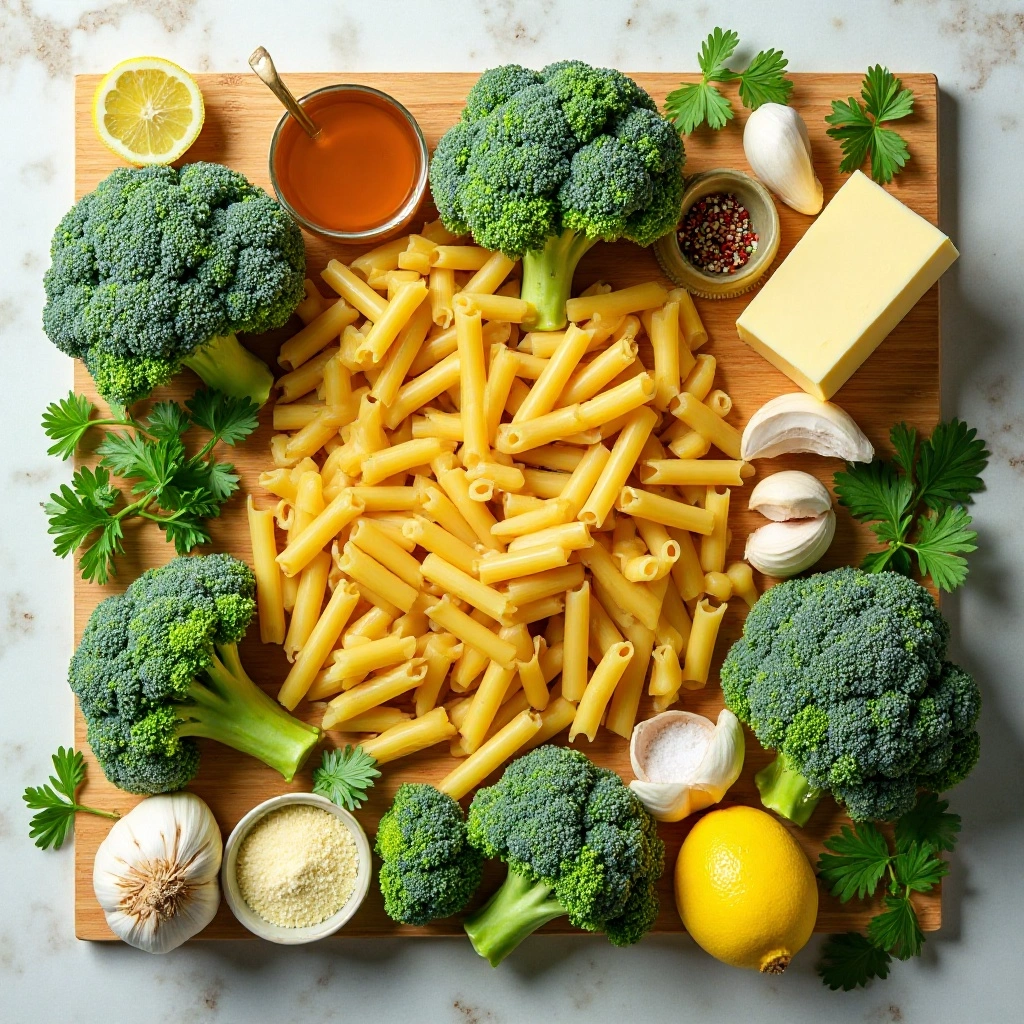
Notes: Fresh broccoli works best, but frozen can substitute in a pinch. Choose a pasta shape with nooks and crannies that catches the sauce beautifully. Always use freshly grated cheese—the pre-shredded kind contains additives that prevent it from melting smoothly into the sauce.
Step-by-Step Instructions
Prepare Your Ingredients
Start by cutting your broccoli into small, bite-sized florets about 1-inch in size. Don’t throw away those tender stems—peel off the tough outer layer and chop the inner stem into small pieces. These stems add extra flavor and cook down beautifully. Slice your garlic thinly and have all your ingredients measured and ready to go. This makes the cooking process smooth and stress-free.
Boil the Pasta Water
Fill your largest pot with water and bring it to a rolling boil over high heat. Add a generous amount of salt—the water should taste like the sea. This is your only chance to season the pasta itself, so don’t be shy. The salted water flavors every bite and makes a huge difference in the final dish.
Cook the Broccoli Until Tender
Drop your broccoli florets and chopped stems into the boiling water. Let them cook for about 5-7 minutes until they’re fork-tender and starting to get really soft. You want the broccoli much softer than you’d normally eat it as a side dish. This tenderness is what creates that creamy sauce later. Use a slotted spoon or spider strainer to remove the broccoli and set it aside in a bowl. Keep that pasta water boiling—you’ll need it next.
Cook the Pasta
Add your pasta to the same boiling water where you cooked the broccoli. This water is now extra flavorful from the broccoli, which adds another layer of taste to your dish. Cook the pasta according to package directions until it’s al dente—firm to the bite but cooked through. Before draining, scoop out about 2 cups of that starchy pasta water and set it aside. Drain the pasta but don’t rinse it—that surface starch helps the sauce cling.
Make the Garlic Oil
While your pasta cooks, heat the olive oil in a large, deep skillet over medium-low heat. Add your sliced garlic and red pepper flakes if using. Cook gently, stirring frequently, until the garlic turns golden and fragrant, about 2-3 minutes. Watch carefully because garlic can burn quickly, and burnt garlic tastes bitter. If the garlic starts browning too fast, add a splash of that reserved pasta water to cool things down.
Combine Everything Together
Add the cooked broccoli to the garlic oil and use a wooden spoon or potato masher to gently break it up. You want some of the broccoli to break down into a chunky sauce while keeping some florets intact for texture. Add the drained pasta to the skillet along with about 1 cup of the reserved pasta water. Toss everything together vigorously over medium heat. The starchy water combines with the olive oil to create a silky, emulsified sauce that coats the pasta beautifully.
Finish with Cheese and Seasonings
Remove the skillet from heat and add your grated cheese, stirring quickly to incorporate it into the sauce. The residual heat melts the cheese without making it clumpy or greasy. Add the butter now if you’re using it for extra richness. Taste and adjust the seasoning with salt and black pepper.
If the sauce seems too thick, add more pasta water a few tablespoons at a time until you reach your desired consistency. The pasta should be creamy and glossy, not dry or separated.
Serve Immediately
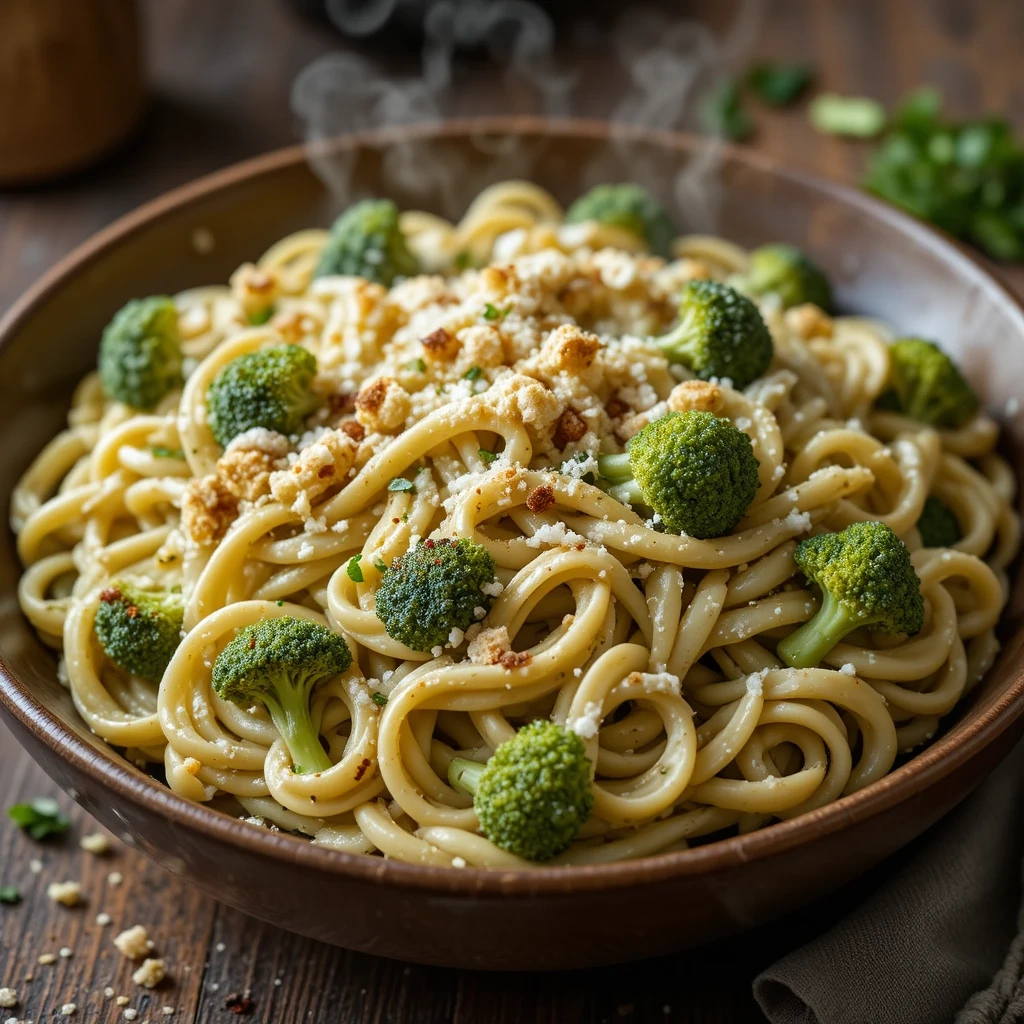
Divide the broccoli pasta among bowls and top with extra grated cheese, a drizzle of good olive oil, lemon zest, and chopped parsley if you like. Serve immediately while it’s hot and the sauce is still creamy. This dish is best enjoyed fresh, though leftovers can be saved and reheated with a splash of water or broth.
What to Serve Broccoli Pasta With
This broccoli pasta works beautifully as a complete meal on its own, but pairing it with the right sides takes dinner to the next level. A simple arugula salad with lemon vinaigrette cuts through the richness and adds a peppery freshness that balances every bite. Garlic bread or crusty Italian bread is perfect for soaking up any extra sauce left in your bowl—trust me, you won’t want to waste a drop.
For protein lovers, grilled chicken breast, pan-seared salmon, or Italian sausage alongside this pasta creates a heartier meal that satisfies bigger appetites. A glass of chilled white wine for the adults or sparkling lemon water for everyone else complements the garlic and cheese flavors perfectly. Roasted cherry tomatoes on the side add a burst of sweetness and acidity that plays wonderfully with the creamy broccoli sauce.
Top Tips for Perfecting Broccoli Pasta
Don’t Undercook the Broccoli
The biggest mistake people make is keeping the broccoli too crisp. You want it fork-tender and almost falling apart because that’s what creates the creamy sauce. If your broccoli is still firm and bright green, it won’t break down properly. Cook it until it’s soft and darker in color—about 7-10 minutes depending on the size of your florets.
Save Enough Pasta Water
That starchy pasta water is liquid gold in this recipe. It helps create a smooth, cohesive sauce that clings to the pasta instead of separating. Always save at least 2 cups before you drain the pasta. You might not use it all, but having extra means you can adjust the consistency to perfection. Add it gradually—you can always add more but you can’t take it away.
Use Freshly Grated Cheese
Pre-shredded cheese contains anti-caking agents that prevent it from melting smoothly into the sauce. Take the extra minute to grate your own Pecorino or Parmesan from a block. The flavor is infinitely better, and it melts into a silky, creamy sauce instead of forming clumps. A microplane grater makes quick work of this task.
Control Your Garlic Temperature
Garlic should be golden and fragrant, not brown and bitter. Keep your heat at medium-low and watch it carefully. If it starts coloring too quickly, remove the pan from heat for a moment or add a splash of pasta water to cool it down. Patience here pays off in sweet, mellow garlic flavor instead of harsh bitterness.
Make It a One-Pot Wonder
Want even easier cleanup? Add your broccoli to the boiling water first, cook it for 5 minutes, then add the pasta directly to the same pot. Everything cooks together, and you save one less step. Just remember to adjust your pasta cooking time since the water temperature will drop when you add the broccoli.
Adjust Consistency Before Serving
The sauce will thighten as it sits, so make it slightly looser than you think it should be. It should coat the pasta in a glossy, silky layer but still have some movement in the pan. If it looks dry or the pasta is clumping together, add more pasta water a little at a time until it looks creamy and flows nicely.
Storing and Reheating Tips
Store leftover broccoli pasta in an airtight container in the refrigerator for up to 3 days. The pasta will absorb some of the sauce as it sits, which is completely normal. When you’re ready to reheat, add a splash of water, broth, or even a little milk to loosen the sauce back up. Heat it gently in a skillet over medium-low heat, stirring frequently until warmed through. You can also microwave it in 30-second intervals, stirring between each, and adding liquid as needed.
For best results, I don’t recommend freezing this dish. The texture of the pasta and broccoli changes significantly when frozen and thawed, becoming mushy and losing that appealing bite. If you want to meal prep, consider making a double batch of just the broccoli sauce and freezing that separately. The sauce freezes well for up to 2 months. Then you can cook fresh pasta and combine it with the thawed sauce for a quick dinner that tastes just as good as the first time.
When reheating, you might need to add more cheese or a pat of butter to refresh the flavors. A squeeze of fresh lemon juice can brighten everything up and make leftovers taste freshly made. The key is gentle heat and added moisture—rushing the reheat or using high heat will make the pasta dry and the sauce separate.
Common Mistakes to Avoid When Making Broccoli Pasta
One of the biggest errors home cooks make is not cooking the broccoli long enough. This isn’t a crisp-tender vegetable situation—you need that broccoli to practically melt into the sauce. If it’s still firm and bright green, keep cooking. Another common pitfall is draining away all that precious pasta water. That starchy liquid is what turns a pile of ingredients into a cohesive, creamy dish. Always save at least 2 cups before draining.
Many people add the cheese to a pan that’s too hot, which causes it to seize up and become grainy instead of melting smoothly. Always remove the pan from direct heat before stirring in the cheese, and add it gradually while tossing constantly. Using low-quality or pre-shredded cheese creates a gritty texture and dull flavor—invest in a small block of good Pecorino or Parmesan and grate it fresh.
Burning the garlic ruins the entire dish with bitter, acrid flavors. Keep your heat at medium-low and never walk away while the garlic cooks. It goes from golden to burnt in seconds. If you see it browning too quickly, immediately add a splash of water or remove the pan from heat.
Don’t skip the salt in the pasta water. Under-seasoned pasta means a bland final dish no amount of cheese can fix. The water should taste noticeably salty—almost like seawater. This is your only chance to season the pasta from within. Also, resist the urge to rinse your cooked pasta. That surface starch helps the sauce cling beautifully, and rinsing washes it all away.
Frequently Asked Questions
Can I use frozen broccoli instead of fresh?
Yes, frozen broccoli works in this recipe, though fresh gives better flavor and texture. If using frozen, add it directly to the boiling water without thawing first. It may need slightly less cooking time since it’s already been blanched. The sauce might be a bit more watery, so use less pasta water when mixing everything together.
What pasta shapes work best for broccoli pasta?
Short pasta shapes with texture work beautifully because they catch and hold the chunky broccoli sauce. Orecchiette is traditional and literally translates to “little ears” that cradle the broccoli. Penne, rigatoni, fusilli, cavatappi, and shells all work wonderfully. Avoid long, thin pastas like spaghetti or angel hair—they don’t grab the sauce as well.
How do I make this recipe dairy-free?
Simply omit the cheese and butter. The dish will still be delicious with the garlic, olive oil, and broccoli creating a flavorful sauce. You can add nutritional yeast for a cheesy flavor or use a dairy-free parmesan alternative. A squeeze of lemon juice at the end adds brightness that compensates for the missing cheese.
Can I add protein to make this more filling?
Absolutely! Grilled chicken, Italian sausage, crispy bacon, or pan-seared shrimp all pair wonderfully with broccoli pasta. Cook your protein separately and add it at the end when you’re tossing everything together. For vegetarians, white beans or chickpeas add protein and heartiness without meat.
Why is my sauce watery and not creamy?
The creaminess comes from properly emulsifying the starchy pasta water with the olive oil and cheese. Make sure you’re using enough pasta water initially and tossing vigorously to create the emulsion. Also, the broccoli needs to be soft enough to break down and thicken the sauce. If it’s too watery, simmer everything for an extra minute or two to reduce the liquid, or add more cheese.
How can I make this spicier?
Add more red pepper flakes when you cook the garlic, or use fresh chili peppers instead. You can also finish the dish with a drizzle of chili oil or a sprinkle of cayenne pepper. Start conservatively—you can always add more heat but you can’t take it away.
Is broccoli pasta healthy?
Yes! Broccoli is packed with vitamins, fiber, and antioxidants. While pasta provides carbohydrates and the olive oil adds healthy fats, this dish offers good nutrition and satisfying comfort food in one bowl. Using whole wheat pasta adds even more fiber and nutrients. The portion of oil and cheese per serving is reasonable, making this a balanced meal.
Can I prepare any parts of this recipe ahead of time?
You can cut the broccoli and slice the garlic a few hours ahead and store them in the refrigerator. You can also grate the cheese in advance. However, this dish really shines when cooked and served immediately. The sauce separates and the pasta continues absorbing liquid as it sits, so it’s best made fresh.
What if I don’t have Pecorino cheese?
Parmesan cheese works just as beautifully and is easier to find in most grocery stores. Pecorino is sharper and saltier, while Parmesan is milder and nuttier. Either creates a delicious result. For a different twist, try Asiago or a combination of cheeses.
Nutrition Information
| Nutrient | Per Serving (1/4 recipe) |
|---|---|
| Calories | 480 |
| Total Fat | 18g |
| Saturated Fat | 5g |
| Cholesterol | 15mg |
| Sodium | 380mg |
| Total Carbohydrates | 62g |
| Dietary Fiber | 5g |
| Sugars | 3g |
| Protein | 16g |
| Vitamin C | 70% DV |
| Calcium | 20% DV |
| Iron | 15% DV |
Note: Nutrition information is approximate and may vary based on specific ingredients used and portion sizes.
Final Thoughts
This broccoli pasta proves that the simplest recipes often deliver the most satisfaction. You don’t need exotic ingredients or complicated techniques to create something your family will request over and over. The way tender broccoli melts into a creamy, garlicky sauce that clings to every piece of pasta feels like magic, but it’s just smart cooking that’s been passed down through generations.
What makes this recipe truly special is how it transforms vegetables into something kids actually get excited about eating. No more dinner table battles over eating greens—just happy faces and empty bowls. The versatility means you can adapt it to your family’s preferences, dietary needs, and whatever ingredients you have on hand.
Whether you’re feeding picky toddlers, hungry teenagers, or adults craving comfort food that doesn’t wreck their health goals, this broccoli pasta delivers. It’s affordable, quick, nutritious, and absolutely delicious. The kind of recipe that becomes part of your regular rotation because it never disappoints.
So grab that head of broccoli, boil some water, and discover why this humble dish has been beloved in Italian kitchens for generations. Your new favorite weeknight dinner is waiting, and it’s easier than you ever imagined.
Did you make this broccoli pasta recipe? I’d love to hear how it turned out! Leave a comment below with your experience, any tweaks you made, or questions you have. Don’t forget to rate the recipe and share photos of your beautiful creation on social media using #BroccoliPastaLove. Happy cooking!
