
Best Deep Fried Turkey Recipe Step-by-Step Tutorial
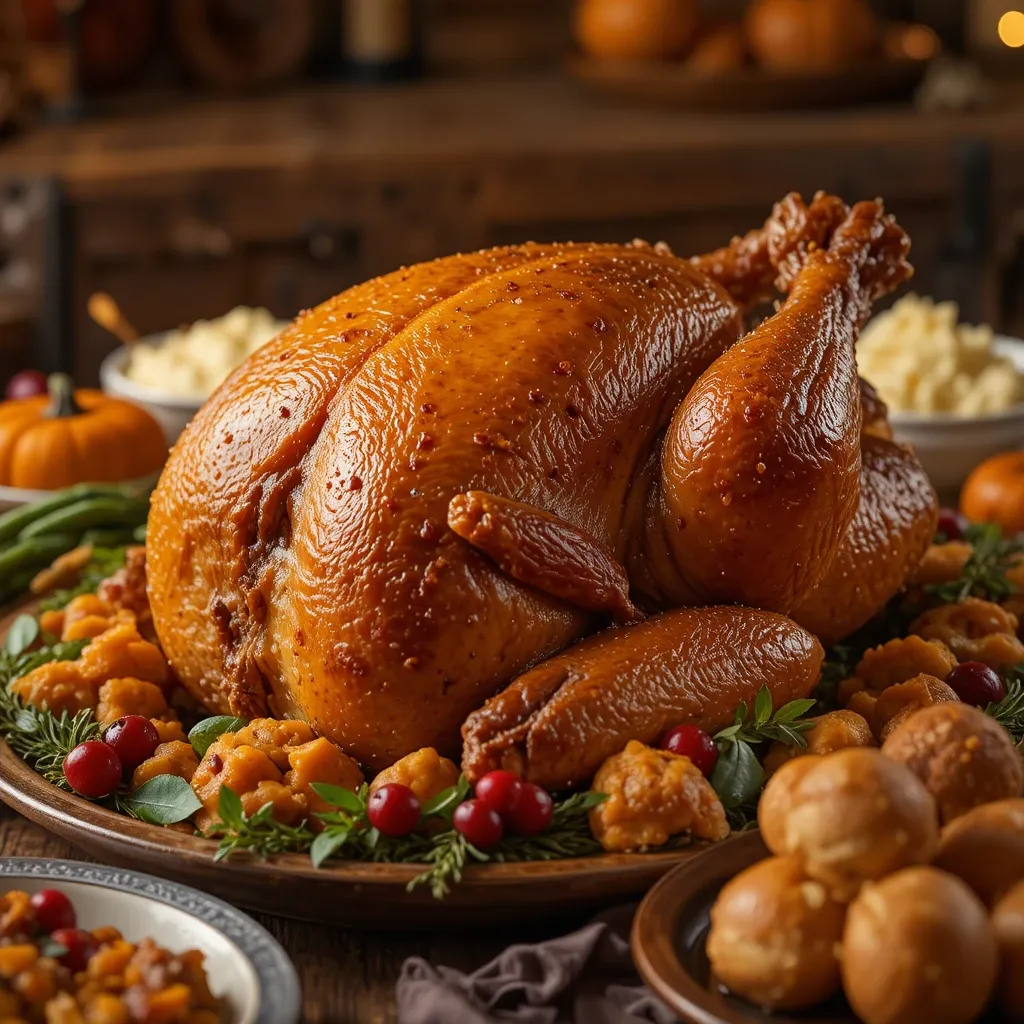
There’s something magical about biting into a perfectly deep fried turkey—crispy golden skin that crackles with each bite, giving way to impossibly juicy, tender meat that practically falls off the bone. I’ll never forget my first deep fried turkey at my uncle’s backyard Thanksgiving gathering.
The whole neighborhood came running when that bird emerged from the oil like liquid gold. This showstopping centerpiece cooks in just 3-4 minutes per pound, making it faster than traditional roasting, and delivers restaurant-quality results that’ll have everyone asking for your secret. If you loved my [Classic Roast Turkey], you’re going to be absolutely blown away by this crispy, flavorful alternative!
What is Deep Fried Turkey?
Ever wondered why people lose their minds over deep fried turkey? It’s basically taking the Thanksgiving star and giving it a spa day in hot peanut oil! The process transforms an ordinary bird into something extraordinary—crispy on the outside, juicy on the inside, and cooked in a fraction of the time.
My grandmother used to say “the way to a man’s heart is through his stomach,” and honestly, nothing proves that theory quite like presenting a perfectly golden deep fried turkey at your holiday table. Trust me, once you try this method, there’s no going back!
Why You’ll Love This Best Deep Fried Turkey Recipe
The Ultimate Crispy-to-Juicy Ratio
The moment you slice into this turkey, you’ll understand why deep frying has become a holiday tradition for so many families. The high heat sears the outside instantly, creating an incredibly crispy, mahogany-colored skin that shatters like glass. Meanwhile, the quick cooking time locks in all the natural juices, giving you meat so tender and flavorful that even the white meat stays moist. Unlike my [Herb Butter Roasted Turkey], which takes 4-5 hours, this beauty is done in about an hour for a 12-14 pound bird.
Save Money Without Sacrificing Flavor
Restaurant-quality fried turkey can cost upwards of $100 from specialty shops, but making it at home costs a fraction of that. A turkey, oil, and basic seasonings are all you need. The best part? You can reuse and strain the oil for future frying sessions, making each subsequent turkey even more economical.
Customize Your Flavor Profile
The beauty of deep frying is how well it works with different marinades and rubs. Whether you prefer Cajun spices, herb butter injections, or a simple salt and pepper approach, the crispy exterior perfectly complements whatever flavors you choose. The neutral peanut oil doesn’t compete with your seasonings—it just makes everything taste more intense and delicious.
Ready to make your best Thanksgiving yet? Let’s dive into this game-changing recipe!
How to Make the Best Deep Fried Turkey
Quick Overview
This deep fried turkey delivers crispy, golden perfection with minimal hands-on time. The key is using the right equipment, maintaining steady oil temperature, and following safety protocols. The result is a stunning bird with crackling skin and succulent meat that cooks in about 3-4 minutes per pound.
Preparation Time:
- Prep Time: 30 minutes (plus 24 hours for brining/marinating)
- Cook Time: 35-50 minutes (for 10-14 lb turkey)
- Resting Time: 20 minutes
- Total Time: Approximately 2 hours active time
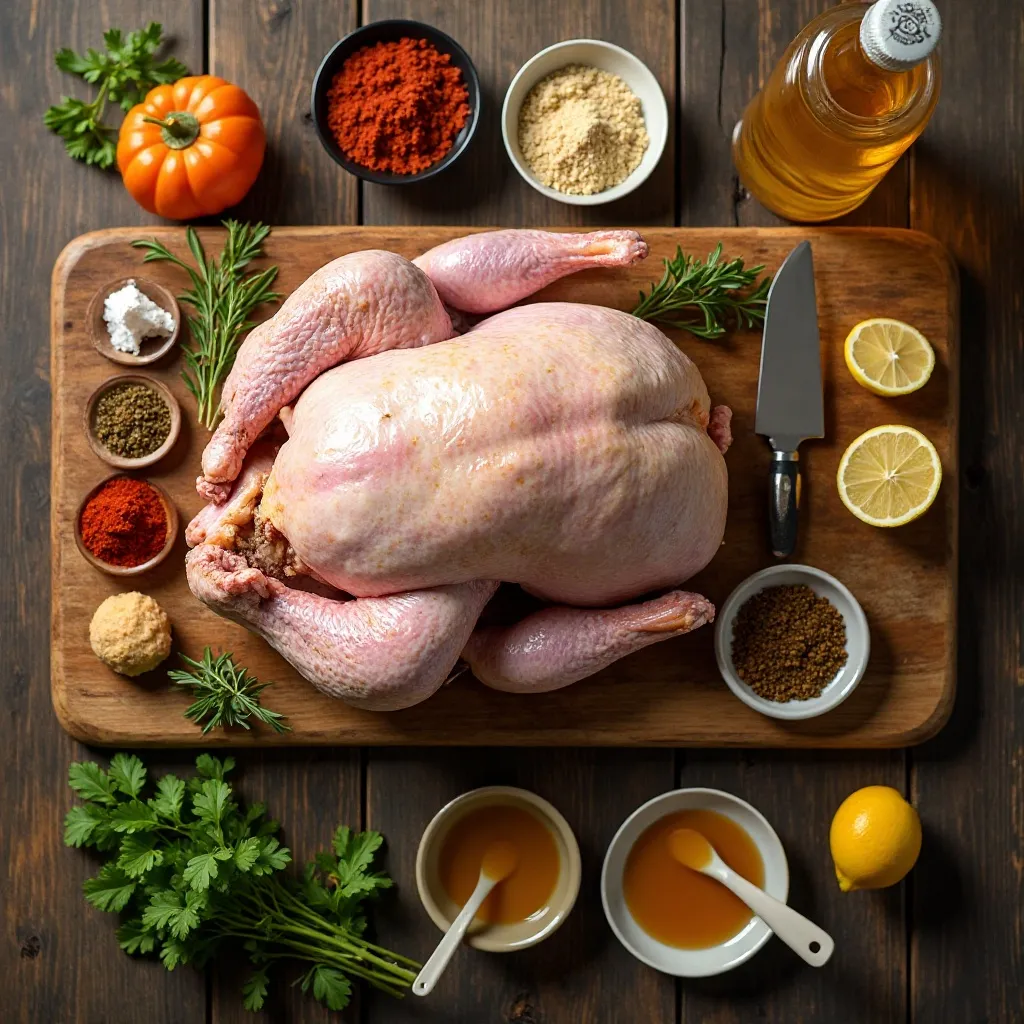
Key Ingredients for Best Deep Fried Turkey
Created with AI guidance, this recipe hasn’t been personally prepared; we do our best to ensure accuracy.
For the Turkey:
- 1 whole turkey (10-14 pounds, completely thawed and dried)
- 4-5 gallons peanut oil (or enough to submerge turkey with 5 inches clearance)
For the Cajun Dry Rub:
- 3 tablespoons paprika
- 2 tablespoons garlic powder
- 2 tablespoons onion powder
- 2 tablespoons dried oregano
- 2 tablespoons dried thyme
- 1 tablespoon cayenne pepper (adjust to taste)
- 1 tablespoon black pepper
- 1 tablespoon white pepper
- 2 tablespoons salt
For the Injectable Marinade (Optional but Recommended):
- ½ cup melted butter
- ¼ cup chicken broth
- 2 tablespoons Worcestershire sauce
- 2 tablespoons lemon juice
- 1 tablespoon hot sauce
- 2 teaspoons garlic powder
- 1 teaspoon onion powder
Essential Equipment:
- Turkey fryer kit with basket and propane burner
- Deep fry thermometer
- Heavy-duty oven mitts
- Meat thermometer
- Large cooler or brining bag
- Marinade injector
Step-by-Step Instructions
Step 1: Calculate Oil Amount and Prepare Turkey
Before anything else, you need to determine how much oil you’ll need. Place your thawed turkey in the fryer basket and lower it into the empty pot. Fill with water until the turkey is covered with 1-2 inches of water above it. Remove the turkey and mark the water level—this is exactly how much oil you’ll need. Completely dry and pat the turkey inside and out with paper towels. Any moisture will cause dangerous oil splattering.
Step 2: Prepare the Marinade and Inject (Day Before)
Combine all injectable marinade ingredients in a small saucepan and warm until butter melts completely. Let it cool to room temperature. Using your marinade injector, inject the mixture throughout the turkey—focusing on the breast, thighs, and drumsticks. Inject at multiple angles to distribute evenly. You should use the entire mixture. This step adds incredible moisture and flavor from the inside out.
Step 3: Apply the Dry Rub
Mix all dry rub ingredients in a bowl until well combined. Generously coat the entire turkey—inside the cavity, under the skin (gently separate skin from meat with your fingers), and all over the outside. Don’t be shy here! The rub creates that beautiful crust. Refrigerate the seasoned turkey uncovered for 12-24 hours. This allows the skin to dry out, which creates extra crispy results, and lets the flavors penetrate deep into the meat.
Step 4: Bring Turkey to Room Temperature
Remove the turkey from the refrigerator 30-60 minutes before frying. Cold turkey will lower the oil temperature too much and won’t cook evenly. Pat the outside one more time with paper towels to ensure it’s completely dry.
Step 5: Set Up Your Fryer Safely
This is crucial! Set up your turkey fryer outdoors on a flat, stable surface away from buildings, wooden structures, and overhangs. Keep children and pets at a safe distance. Fill the pot with peanut oil to your predetermined level. Attach your thermometer to the side of the pot.
Step 6: Heat the Oil
Turn on the burner to high and heat the oil to 350°F. This takes about 30-45 minutes depending on your setup and outside temperature. Don’t rush this step—accurate temperature is everything. The oil temperature will drop when you add the turkey, so starting at 350°F ensures it stabilizes around 325-335°F during cooking.
Step 7: Prepare the Turkey for Frying
Secure the turkey in the fryer basket, neck-side down. Make sure it’s positioned securely and won’t slip. If your turkey came with a pop-up timer, remove it—it’s not accurate for deep frying. Tuck the wings against the body to prevent them from burning.
Step 8: Carefully Lower the Turkey
Once your oil reaches 350°F, turn off the burner. Using heavy-duty oven mitts and extreme caution, slowly lower the turkey basket into the hot oil. Do this very gradually over 1-2 minutes to prevent oil overflow. The oil will bubble vigorously—this is normal. Once the turkey is fully submerged, turn the burner back on to medium-high.
Step 9: Maintain Temperature and Cook
Monitor the oil temperature closely, adjusting the heat as needed to maintain 325-350°F. Cook the turkey for approximately 3-4 minutes per pound. For a 12-pound turkey, this means 36-48 minutes total. Set a timer, but always verify doneness with a meat thermometer.
Step 10: Check for Doneness
Carefully lift the basket slightly (while turkey is still over the pot) and insert an instant-read thermometer into the thickest part of the thigh without touching bone. You’re looking for 165°F. The breast should also register 165°F. If it’s not ready, lower it back down and continue cooking, checking every 5 minutes.
Step 11: Remove and Drain
When the turkey reaches 165°F, turn off the burner. Carefully lift the basket and let the turkey drain over the pot for a few minutes. Then transfer the basket to a cooling rack set over a large baking sheet to catch drips. The turkey will be extremely hot and will continue to cook slightly as it rests.
Step 12: Rest and Carve
Let the turkey rest for 20-30 minutes before carving. This allows the juices to redistribute, ensuring every bite is moist and delicious. The skin will stay incredibly crispy during this time. Carve and serve immediately for the best texture and flavor.
What to Serve Best Deep Fried Turkey With
A spectacular deep fried turkey deserves equally delicious sides! Here are my favorite pairings:
Classic Southern Sides:
- Creamy mashed potatoes with pan gravy
- Green bean casserole with crispy fried onions
- Sweet potato casserole with marshmallow or pecan topping
- Cornbread dressing with sage and celery
Fresh and Light Options:
- Cranberry orange relish for brightness
- Apple walnut salad with maple vinaigrette
- Citrus glazed carrots
Bread Basket:
- Buttery dinner rolls
- Jalapeño cheddar cornbread
- Garlic herb focaccia
The beauty of deep fried turkey is that it pairs with traditional and modern sides equally well. The crispy exterior adds textural contrast to creamy, soft sides, while the juicy meat complements both rich and light accompaniments.
Top Tips for Perfecting Best Deep Fried Turkey
Size Matters for Safety and Results
Never attempt to fry a turkey larger than 14 pounds. Bigger birds don’t cook evenly and pose serious safety risks with oil overflow. If you’re feeding a crowd, fry two smaller turkeys instead. I learned this the hard way during my first attempt with an 18-pounder—the outside was dark brown while the inside was still pink. Stick with 10-14 pound birds for perfect results every time.
The Dry Turkey Rule is Non-Negotiable
I cannot stress this enough: your turkey must be completely, absolutely, totally dry. Even a tablespoon of water can cause hot oil to splatter violently. After thawing, pat the turkey dry with paper towels, let it air dry in the refrigerator overnight, and pat it again before frying. Check the cavity too! This one step prevents 90% of deep frying accidents.
Oil Temperature Recovery is Key
When you first add the turkey, the oil temperature will drop—sometimes as much as 50°F. This is why we start at 350°F. If your oil is too cool (below 300°F), the turkey will absorb oil and become greasy. Too hot (above 375°F), and the outside burns before the inside cooks. Monitor constantly and adjust your burner to maintain that sweet spot of 325-350°F.
Fresh Oil Makes Better Turkey
While you can reuse strained oil, fresh peanut oil produces the best flavor and color. If you do reuse oil, strain it through cheesecloth and store it in a cool, dark place. Never reuse oil more than 3-4 times, and discard if it smells off or looks dark and murky.
Let It Rest—Seriously
I know the crispy skin is tempting, but slicing too early releases all those precious juices. Let your turkey rest for at least 20 minutes. Cover it loosely with foil if you’re worried about it cooling too much, but honestly, a properly fried turkey stays piping hot for quite a while.
Injection Distribution Makes or Breaks Moisture
When injecting marinade, use a grid pattern with injection points every 2-3 inches. Push the needle deep, then slowly withdraw while pressing the plunger to distribute marinade along the entire depth. If you just inject and pull out quickly, the marinade will pool in one spot instead of spreading throughout the meat.
Wind is Your Enemy
Frying on a windy day? It’ll take longer to heat your oil and harder to maintain temperature. Set up a windbreak using sheets of plywood or metal, but keep them several feet away from the flame. Never use flammable materials, and ensure proper ventilation.
Have a Fire Extinguisher Ready
This isn’t being paranoid—it’s being prepared. Keep a Class K fire extinguisher rated for oil fires within reach. Never use water on an oil fire! If things go wrong, turn off the gas and cover the pot with a metal lid if safe to do so.
Storing and Reheating Tips
Refrigerator Storage:
Let the turkey cool to room temperature (within 2 hours of cooking for food safety). Remove the meat from the bones and store in airtight containers or heavy-duty freezer bags. Properly stored, cooked turkey lasts 3-4 days in the refrigerator at 40°F or below. Store dark meat separately from white meat if possible—they reheat best using slightly different methods.
Freezer Storage:
For longer storage, freeze turkey meat in portion-sized packages. Remove as much air as possible to prevent freezer burn. Label with the date and contents. Frozen cooked turkey maintains best quality for 2-3 months but remains safe indefinitely if kept at 0°F. For easiest use, freeze in meal-sized portions that you can thaw as needed.
Reheating for Best Results:
The enemy of leftover turkey is dryness. To reheat while maintaining moisture, place turkey slices in a baking dish with a few tablespoons of chicken broth or leftover gravy. Cover tightly with foil and warm in a 325°F oven for about 20 minutes, or until heated through (165°F internal temperature). The steam from the liquid keeps the meat moist.
For the stovetop method, which I actually prefer for smaller portions, warm turkey slices in a covered skillet with a splash of broth over medium-low heat. This method takes just 5-7 minutes and gives you more control.
Microwave reheating works in a pinch, but use 50% power and add moisture. Place turkey on a microwave-safe plate, sprinkle with a little water or broth, cover with a damp paper towel, and heat in 1-minute intervals until warm.
Preserving the Crispy Skin:
Here’s the sad truth—that glorious crispy skin doesn’t store or reheat well. It will soften in storage no matter what you do. However, you can crisp it up again! Place skin pieces on a baking sheet and broil for 2-3 minutes until they sizzle and crisp. Watch carefully to prevent burning. Some people save the crispy skin separately and use it as a topping for salads or soups!
Frequently Asked Questions
How long does it take to deep fry a turkey?
Deep frying takes approximately 3-4 minutes per pound. A 12-pound turkey will take 36-48 minutes to cook. However, factor in oil heating time (30-45 minutes), preparation (30 minutes), and resting time (20 minutes) for total cooking time of about 2 hours from start to finish. This is still significantly faster than traditional roasting, which takes 3-4 hours for the same size bird.
What’s the best oil for frying turkey?
Peanut oil is hands-down the best choice for deep frying turkey. It has a high smoke point (450°F), neutral flavor, and creates the crispiest skin. Canola oil works as a less expensive alternative with a 400°F smoke point. Avoid olive oil or butter—they have low smoke points and will burn. Many people worry about peanut allergies, but highly refined peanut oil typically doesn’t cause reactions. However, use canola oil if you’re concerned.
Do I need to brine a deep fried turkey?
Brining isn’t necessary but adds extra moisture and flavor. The quick cooking time of deep frying naturally keeps turkey juicy, so a simple dry rub and injectable marinade work beautifully. If you do brine, use a dry brine (salt-based rub) rather than a wet brine to avoid excess moisture that could cause dangerous splattering. I personally prefer the injectable marinade method—it adds flavor throughout without the mess and lengthy soaking time of traditional brining.
Can you deep fry a frozen turkey?
Absolutely not! Never attempt to fry a frozen or partially frozen turkey. The ice crystals cause violent oil eruptions that can result in severe burns and fires. Your turkey must be completely thawed (allow 24 hours of thawing per 4-5 pounds in the refrigerator) and thoroughly dried before frying. There are no shortcuts here—safety comes first.
How much does it cost to deep fry a turkey?
The initial investment includes the equipment (turkey fryer kit runs $50-150), but after that, costs are reasonable. A 10-14 pound turkey costs $15-30, and 3-5 gallons of peanut oil runs about $25-40. Since you can reuse strained oil for 3-4 fryings, subsequent turkeys only cost the price of the bird plus seasonings. Overall, expect to spend about $100 for your first turkey, then $20-35 for each additional turkey.
What temperature should a deep fried turkey be?
The internal temperature must reach 165°F in both the breast and thigh for food safety. Always verify with an instant-read meat thermometer inserted into the thickest part of the thigh without touching bone. The turkey will continue cooking slightly during resting, so some people remove it at 160°F, but I always recommend reaching the full 165°F for peace of mind.
Can you deep fry a turkey in the garage or on a covered porch?
Never fry turkey in enclosed or partially enclosed spaces! Deep frying must be done outdoors in an open area away from structures. The propane burner produces carbon monoxide and the process can create oil splatters or fires. Even covered porches don’t provide adequate ventilation. Set up in your driveway, patio, or yard at least 10 feet away from your house and any flammable materials.
Why did my fried turkey turn out greasy?
Greasy turkey usually results from oil temperature being too low. If the oil is below 300°F during cooking, the turkey absorbs excess oil instead of cooking quickly with a crispy exterior. Always preheat oil to 350°F and maintain 325-350°F during frying. Also ensure your turkey isn’t too large—birds over 14 pounds take too long to cook, allowing more oil absorption.
Can I stuff a deep fried turkey?
No! Never put stuffing inside a turkey you’re planning to deep fry. The stuffing won’t reach a safe temperature (165°F) by the time the turkey is done, and it can cause uneven cooking. Plus, wet stuffing increases the risk of oil splattering. Always cook stuffing separately in a casserole dish where you can monitor its temperature properly.
How do I dispose of used frying oil?
Never pour oil down your drain—it causes major plumbing problems. Let the oil cool completely (overnight), then strain it through cheesecloth if you want to reuse it, or pour it into the original containers or a sealed container for disposal. Many communities have oil recycling programs. You can also mix cooled oil with cat litter in a sealed bag and dispose of it in the trash. Some auto shops accept used cooking oil for recycling.
Tips for Avoiding Common Deep Frying Mistakes
Mistake #1: Using a Turkey That’s Too Large
The biggest error beginners make is choosing a turkey over 14 pounds. These massive birds seem impressive, but they’re dangerous to fry and won’t cook evenly. The outside darkens too much while waiting for the center to reach safe temperature. Always choose turkeys between 10-14 pounds. For large gatherings, fry two smaller birds instead of one giant one.
Mistake #2: Not Testing Oil Capacity First
Many people fill their fryer with oil before testing how much they need, leading to overflow disasters. Always do the water displacement test first. Place your turkey in the empty pot, cover with water, then mark the level. This shows exactly how much oil you need. Leave at least 5 inches of space between the oil level and pot rim for bubbling.
Mistake #3: Frying a Partially Thawed Turkey
Rushing the thawing process causes dangerous ice crystal reactions with hot oil. Thawing takes time—plan for 24 hours of refrigerator thawing per 4-5 pounds of turkey. Check the cavity thoroughly for ice crystals before frying. When in doubt, let it thaw an extra day. Patience prevents potential disasters.
Mistake #4: Overcrowding Your Setup
Setting up too close to your house, under trees, near vehicles, or in cramped spaces creates fire hazards. You need plenty of clearance on all sides—at least 10 feet from structures. Make sure the fryer sits on level ground where it won’t tip. Keep kids, pets, and curious guests at a safe distance with a clearly marked perimeter.
Mistake #5: Not Monitoring Oil Temperature
Guessing oil temperature is a recipe for disaster. The oil needs to stay between 325-350°F during the entire cooking process. Invest in a quality deep-fry thermometer—the cheap ones can be off by 25°F or more. Check temperature multiple times during cooking and adjust your burner as needed. Consistent temperature is the difference between crispy perfection and greasy disappointment.
Mistake #6: Skipping the Meat Thermometer
Relying on cooking time alone doesn’t account for variables like turkey size, oil temperature fluctuations, or starting meat temperature. Always verify doneness with an instant-read thermometer inserted into the thickest part of the thigh and breast. Both must reach 165°F. I’ve seen perfectly golden turkeys that were still pink inside because someone trusted the timer instead of the thermometer.
Mistake #7: Lowering Turkey Too Quickly
Dropping the turkey into hot oil causes violent bubbling, splattering, and potential overflow. Take 1-2 full minutes to slowly lower the basket. If oil starts rising near the rim, lift the turkey slightly until bubbling subsides, then continue lowering. This gradual approach prevents accidents and gives you control if something goes wrong.
Mistake #8: Leaving the Fryer Unattended
Deep frying requires constant supervision. Oil temperatures can change quickly, gas lines can leak, wind can affect flame intensity, and unexpected issues can arise. Never leave your fryer unattended, even for a minute. Assign someone to monitor it continuously if you need to step away briefly.
Mistake #9: Not Having Emergency Equipment Ready
Hope for the best but prepare for the worst. Keep a Class K fire extinguisher within arm’s reach. Have heavy-duty oven mitts ready. Keep a phone nearby for emergencies. Brief helpers on what to do if something goes wrong. Being prepared isn’t paranoid—it’s responsible.
Mistake #10: Reusing Oil Too Many Times
Oil degrades with each use, affecting flavor and safety. After 3-4 uses, even properly strained oil becomes too broken down for quality results. Dark, thick oil with a rancid smell should be discarded immediately. Fresh oil is worth the investment for both taste and safety.
Nutrition Information
| Nutrient | Per 4 oz Serving (white meat) |
|---|---|
| Calories | 180 |
| Total Fat | 8g |
| Saturated Fat | 2g |
| Cholesterol | 80mg |
| Sodium | 360mg |
| Protein | 26g |
| Carbohydrates | 0g |
Note: Nutrition values are approximate and vary based on specific turkey size, oil absorption, and seasoning amounts. Dark meat contains approximately 220 calories and 11g fat per 4 oz serving.
Deep frying a turkey transforms a traditional holiday meal into an extraordinary culinary experience. Yes, it requires special equipment and careful attention to safety, but the results are absolutely worth it. That crackling crispy skin and incredibly juicy meat will make you a legend at your holiday table.
The first time feels intimidating, but follow these instructions carefully, respect the safety guidelines, and you’ll wonder why you ever roasted turkey any other way. Start with a smaller turkey for your first attempt, take your time with each step, and don’t rush the process.
Now it’s your turn to create some deep fried magic! Have you tried deep frying turkey before? What’s your favorite seasoning blend? Share your experiences and questions in the comments below—I love hearing from fellow turkey enthusiasts!
Pin this recipe for your holiday meal planning, and don’t forget to snap a photo of your beautiful golden turkey to share on Instagram! Tag me so I can see your crispy creations!
